Caricamento…
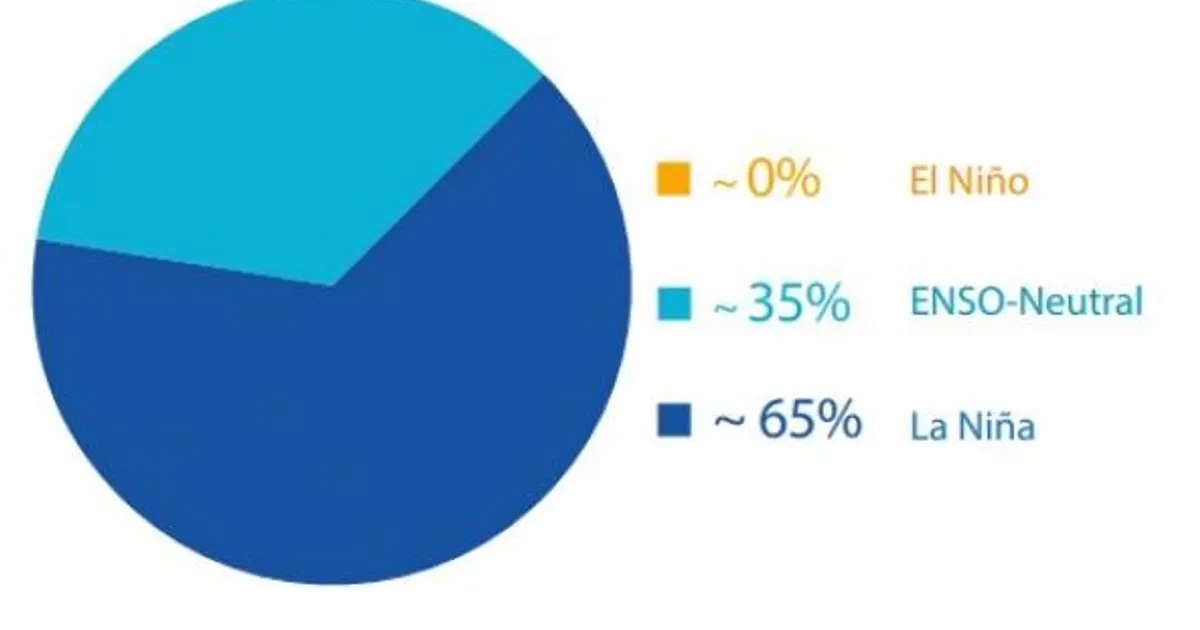
The WMO's February 2022 update says the La Niña that developed in late 2021 remains active in the tropical Pacific but is showing signs of weakening. Forecasts give about a 65% chance La Niña persists through March-May 2022, with ENSO-neutral the most likely state from April-June onward.
A fading La Niña lowers the odds of drought in the US Plains and Argentina/southern Brazil, which supports crop outlooks for corn, soybeans and wheat; the outlook is mildly bearish for weather premium.
 wmo.int1 mar 2022
Dopo 357 eventi meteo ribassista passati, Mais si è mosso in mediana di -0,3% in 5 sedute (44% in rialzo; metà centrale da -2,2% a +1,3%), e di -0,5% in 20.
Dopo 363 eventi meteo ribassista passati, Soia si è mosso in mediana di -0,6% in 5 sedute (42% in rialzo; metà centrale da -2,5% a +1,1%), e di -0,2% in 20.
Dopo 224 eventi meteo neutrale passati, Frumento (SRW) si è mosso in mediana di -0,1% in 5 sedute (46% in rialzo; metà centrale da -1,4% a +1,5%), e di +0,4% in 20.
Variazioni del benchmark di ciascuna materia prima rispetto all'ultima chiusura prima dell'evento. Le letture storiche raggruppano eventi passati dello stesso tipo; descrivono ciò che è accaduto, non ciò che accadrà. Non è consulenza di investimento.
