Caricamento…
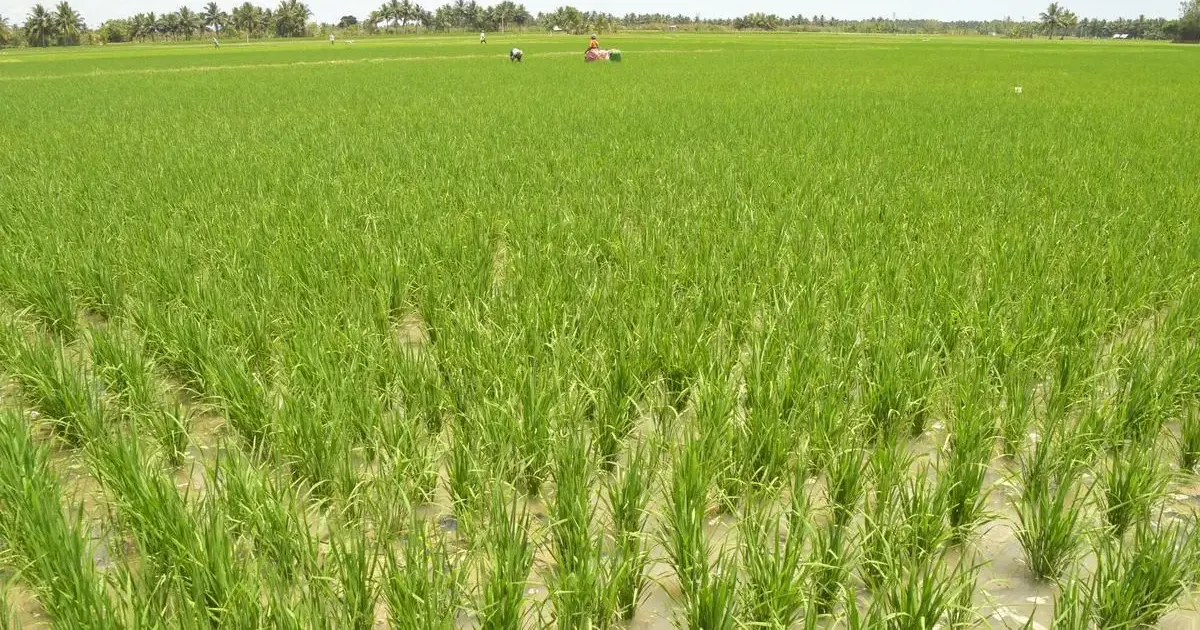
FAO's AMIS Market Monitor said El Niño is likely to develop after three years of La Niña and could hit maize, soybean and rice output in India, northern China, southern Mexico, northeast Brazil, Indonesia and West Africa. Based on history, El Niño tends to slightly improve global soybean yields while reducing maize, rice and wheat yields.
Impacts depend on the event's strength and duration.
Lower maize and rice yields in several major producing areas would tighten supplies for feed buyers, supporting corn and rice prices, while soybean effects are expected to be smaller.
 thehindubusinessline.comSubramani Ra Mancombu5 mag 2023
Dopo 1465 eventi meteo rialzista passati, Mais si è mosso in mediana di +0,2% in 5 sedute (54% in rialzo; metà centrale da -1,4% a +1,9%), e di +0,9% in 20.
Dopo 179 eventi meteo rialzista passati, Risone si è mosso in mediana di +0,4% in 5 sedute (55% in rialzo; metà centrale da -1,4% a +2,5%), e di +2,2% in 20.
Dopo 324 eventi meteo neutrale passati, Soia si è mosso in mediana di +0,0% in 5 sedute (52% in rialzo; metà centrale da -1,4% a +1,7%), e di +0,7% in 20.
Variazioni del benchmark di ciascuna materia prima rispetto all'ultima chiusura prima dell'evento. Le letture storiche raggruppano eventi passati dello stesso tipo; descrivono ciò che è accaduto, non ciò che accadrà. Non è consulenza di investimento.
