Caricamento…
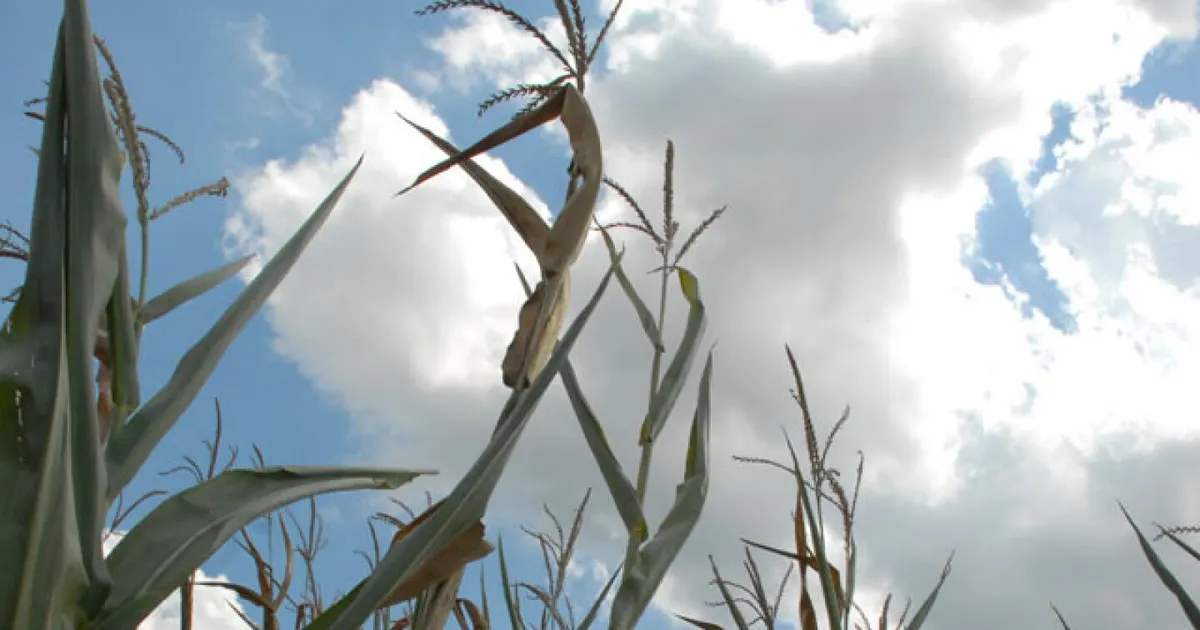
The Climate Prediction Center has declared the end of El Niño, with ENSO-neutral conditions now in place. It puts the odds of La Niña forming in July-September at 65% and persisting through the Northern Hemisphere winter at 85%.
La Niña typically brings hotter, drier conditions to the central and eastern US and can block moisture to the western Corn Belt.
A developing La Niña raises the risk of heat and dryness in the US Corn Belt during the growing season, which supports corn and soybean prices. The effect is strongest if it coincides with pollination.
 agweb.comPro Farmer Editors14 giu 2024
Dopo 1465 eventi meteo rialzista passati, Mais si è mosso in mediana di +0,2% in 5 sedute (54% in rialzo; metà centrale da -1,4% a +1,9%), e di +0,9% in 20.
Dopo 1079 eventi meteo rialzista passati, Soia si è mosso in mediana di +0,3% in 5 sedute (54% in rialzo; metà centrale da -1,4% a +2,0%), e di +0,9% in 20.
Variazioni del benchmark di ciascuna materia prima rispetto all'ultima chiusura prima dell'evento. Le letture storiche raggruppano eventi passati dello stesso tipo; descrivono ciò che è accaduto, non ciò che accadrà. Non è consulenza di investimento.
