Caricamento…
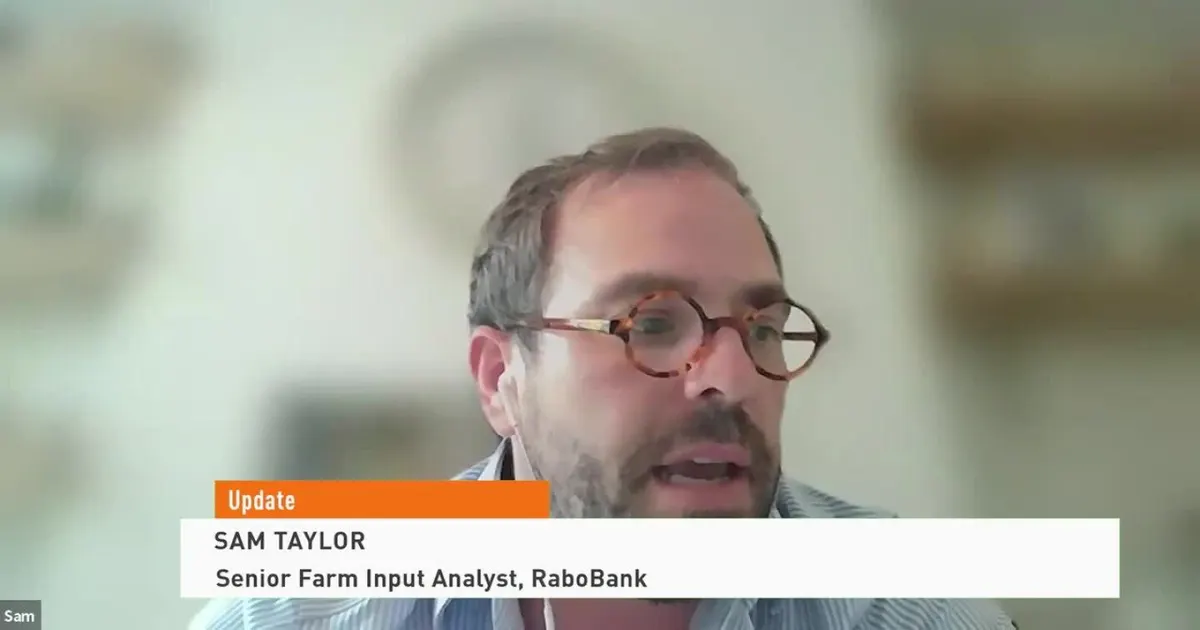
Rabobank research models the effect of a closure of the Strait of Hormuz on global fertilizer markets, noting that the strait carries a large share of world urea and phosphate trade. The analysis comes as fertilizer-to-corn price ratios are already at historically unfavorable levels following Israel's strike on Iran in June.
A closure would cut seaborne urea and phosphate supply from the Gulf, sharply lifting nitrogen and phosphate prices and worsening feed-grain margins for farmers. The risk is a scenario rather than an actual disruption, so the effect is currently a price-risk premium.
 agweb.com8 lug 2025
Dopo 205 eventi geopolitica rialzista passati, Urea si è mosso in mediana di +0,4% in 5 sedute (53% in rialzo; metà centrale da -2,1% a +3,0%), e di -0,4% in 20.
Dopo 114 eventi geopolitica rialzista passati, DAP si è mosso in mediana di +0,0% in 5 sedute (50% in rialzo; metà centrale da -0,3% a +1,2%), e di +0,3% in 20.
Dopo 626 eventi geopolitica rialzista passati, Petrolio greggio (WTI) si è mosso in mediana di +2,1% in 5 sedute (62% in rialzo; metà centrale da -2,3% a +8,5%), e di +1,6% in 20.
Variazioni del benchmark di ciascuna materia prima rispetto all'ultima chiusura prima dell'evento. Le letture storiche raggruppano eventi passati dello stesso tipo; descrivono ciò che è accaduto, non ciò che accadrà. Non è consulenza di investimento.
