Caricamento…
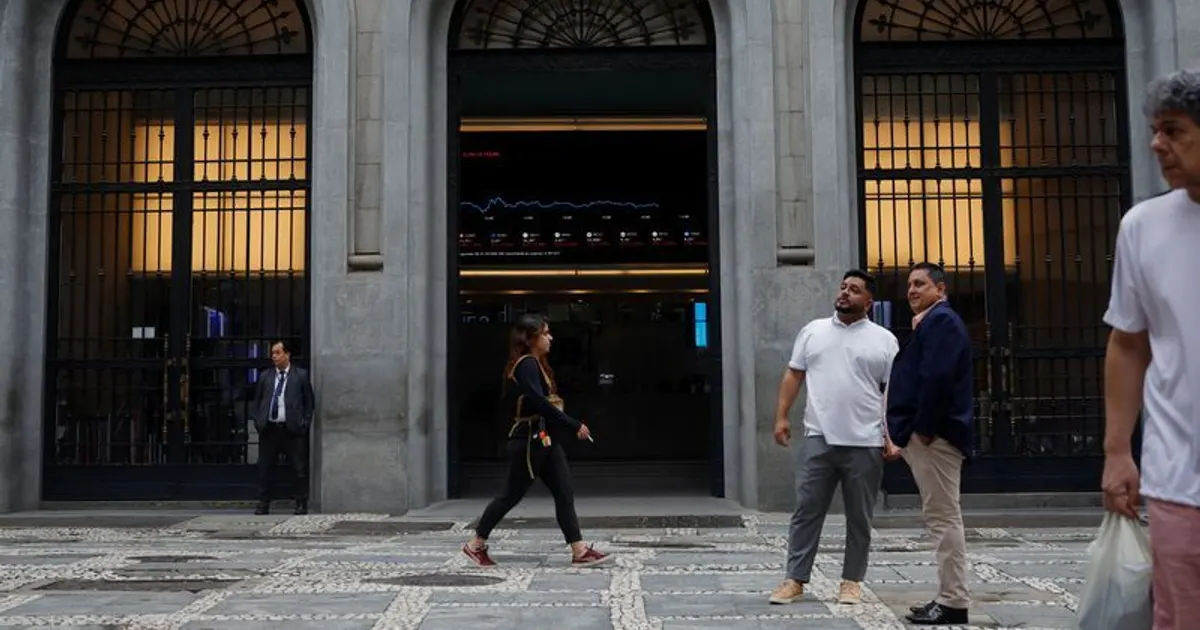
Most Latin American assets fell on July 8 after U.S. President Donald Trump said the interim accord to end the war with Iran was over. Washington had revoked a license allowing Tehran to sell oil internationally after fresh U.S. strikes, and Trump said further strikes and a takeover of Kharg Island were likely.
Renewed Gulf conflict pushed crude up about 5% to a two-week high, raising diesel and fertilizer costs and feeding inflation worries in oil-importing economies. Higher energy costs typically support soyoil and biofuel-linked prices while weighing on risk sentiment and emerging-market currencies.
 marketscreener.comReuters8 lug 2026
Dopo 626 eventi geopolitica rialzista passati, Petrolio greggio (WTI) si è mosso in mediana di +2,1% in 5 sedute (62% in rialzo; metà centrale da -2,3% a +8,5%), e di +1,6% in 20.
Dopo 656 eventi geopolitica rialzista passati, Petrolio greggio (Brent) si è mosso in mediana di +1,9% in 5 sedute (63% in rialzo; metà centrale da -2,7% a +6,6%), e di +0,7% in 20.
Dopo 250 eventi geopolitica rialzista passati, ULSD / Gasolio si è mosso in mediana di +1,7% in 5 sedute (58% in rialzo; metà centrale da -3,6% a +8,7%), e di +0,9% in 20.
Dopo 110 eventi geopolitica rialzista passati, Olio di soia si è mosso in mediana di +1,8% in 5 sedute (65% in rialzo; metà centrale da -0,7% a +3,6%), e di -0,4% in 20.
Variazioni del benchmark di ciascuna materia prima rispetto all'ultima chiusura prima dell'evento. Le letture storiche raggruppano eventi passati dello stesso tipo; descrivono ciò che è accaduto, non ciò che accadrà. Non è consulenza di investimento.
Trump declaring the Iran interim accord over, revoking Tehran's oil export license and threatening a Kharg Island takeover raised Gulf supply-risk premium, a plausible driver of a sharp WTI rally.
Trump declaring the Iran deal over and revoking Tehran's oil license raised crude and geopolitical risk, which supports soybean oil via energy links.
