Caricamento…
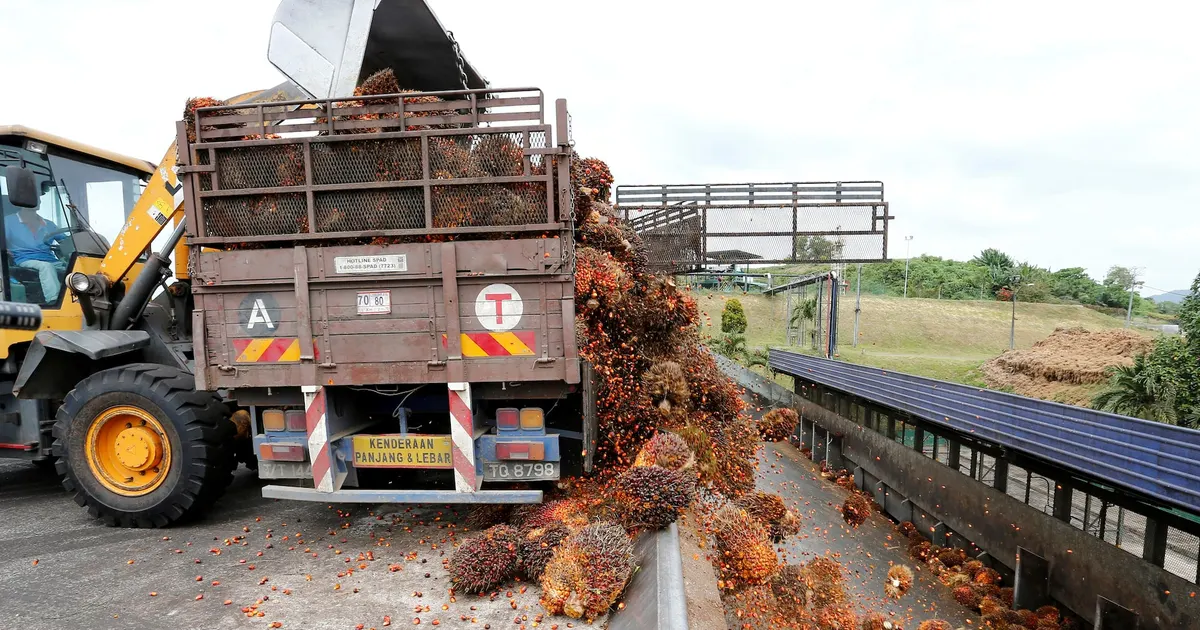
Malaysia's commodities ministry has proposed cutting its palm oil export tax by as much as half, from 8% to 4%-6%, to help address a global edible oil shortage. The temporary measure would also slow implementation of the B30 biodiesel mandate to prioritise supply for food use.
A lower export tax would encourage Malaysian exports and add supply to a tight global vegetable oil market, while slowing the biodiesel mandate reduces domestic palm oil demand for fuel, both bearish for palm oil prices and supportive for soy oil substitution demand.
 reuters.comMei Mei Chu, A. Ananthalakshmi10 mag 2022
Dopo 400 eventi politica ribassista passati, Olio di palma si è mosso in mediana di -0,0% in 5 sedute (49% in rialzo; metà centrale da -1,3% a +1,1%), e di +0,2% in 20.
Dopo 196 eventi politica neutrale passati, Olio di soia si è mosso in mediana di +0,1% in 5 sedute (52% in rialzo; metà centrale da -1,6% a +2,0%), e di -0,5% in 20.
Variazioni del benchmark di ciascuna materia prima rispetto all'ultima chiusura prima dell'evento. Le letture storiche raggruppano eventi passati dello stesso tipo; descrivono ciò che è accaduto, non ciò che accadrà. Non è consulenza di investimento.
Proposed Malaysian palm oil export tax cut and slower B30 mandate would raise exportable supply and cut biofuel demand, bearish for palm prices around May 9-10.
