Caricamento…
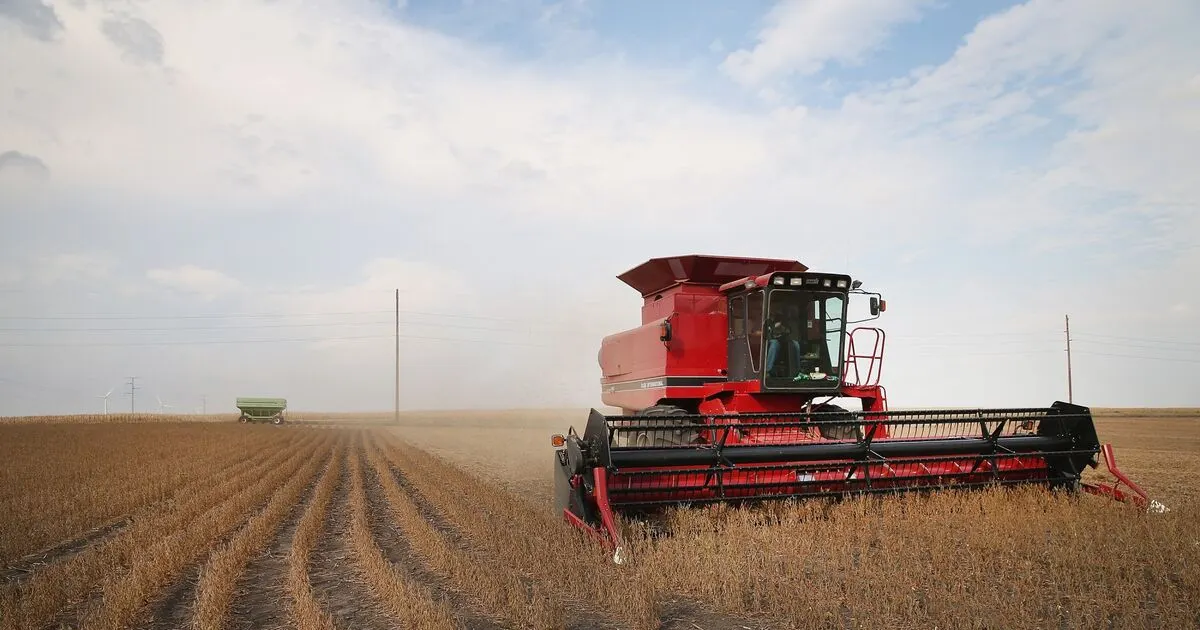
Imports of used cooking oil and other feedstocks for biofuel production in the US have surged. Soybean processors are facing eroded margins as demand weakens, prompting them to slow crush operations and jeopardizing expansion plans.
Slower soybean crushing reduces output of both soybean oil and meal, which tightens meal supply and supports meal prices while pressuring soybean and oil prices as demand shifts to imported feedstocks.
 bloomberg.comTarso Veloso26 apr 2024
Dopo 803 eventi commercio ribassista passati, Soia si è mosso in mediana di +0,0% in 5 sedute (51% in rialzo; metà centrale da -1,7% a +1,7%), e di +0,9% in 20.
Dopo 152 eventi commercio ribassista passati, Olio di soia si è mosso in mediana di -0,2% in 5 sedute (47% in rialzo; metà centrale da -2,1% a +2,1%), e di -0,1% in 20.
Dopo 342 eventi commercio rialzista passati, Farina di soia si è mosso in mediana di +0,1% in 5 sedute (51% in rialzo; metà centrale da -1,1% a +2,6%), e di +0,6% in 20.
Variazioni del benchmark di ciascuna materia prima rispetto all'ultima chiusura prima dell'evento. Le letture storiche raggruppano eventi passati dello stesso tipo; descrivono ciò che è accaduto, non ciò che accadrà. Non è consulenza di investimento.
Surging imports of used cooking oil and other green diesel feedstocks displace soyoil in US biofuel demand and erode crush margins, a bearish demand factor.
