Caricamento…
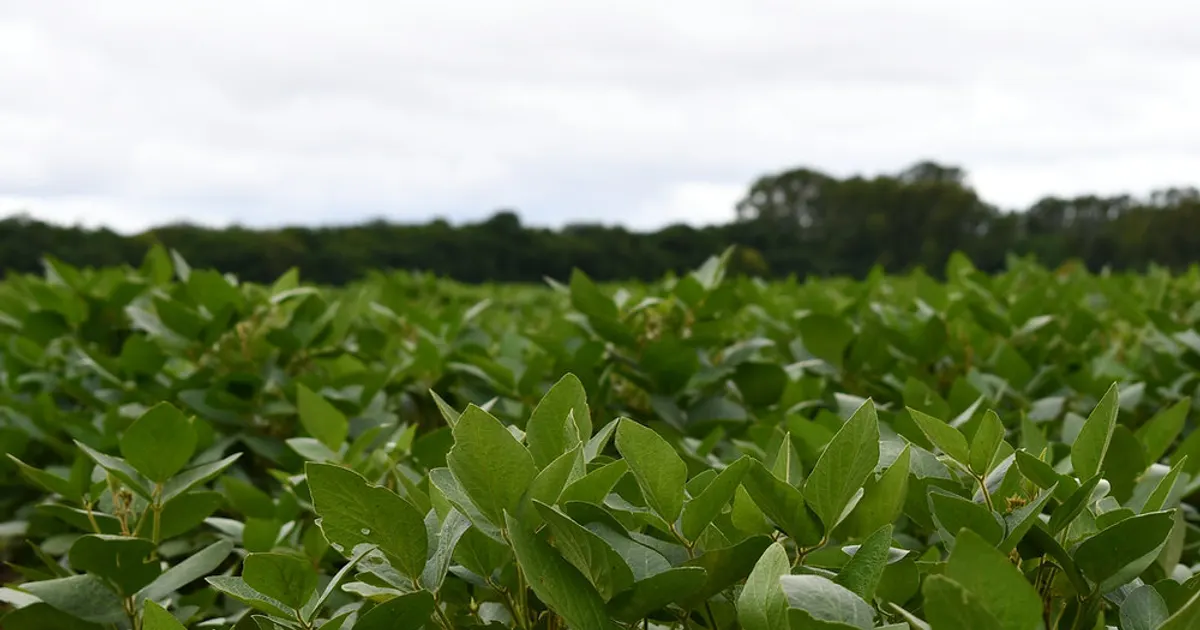
A North Dakota State University analysis finds that Chinese purchases of U.S. soybeans historically track the Brazil-U.S. landed price spread rather than political signals. The authors note that during the 2025 tariff period, U.S. exports to China fell when tariffs widened the U.S. price premium.
Chinese demand for U.S. beans depends on price competitiveness against Brazil, so purchases may stay tied to relative landed prices rather than the trade pledge. Traders should watch the Brazil-U.S. spread as a guide to future demand.
 capts-ndsu.comCAPTS NDSU5 dic 2025
Dopo 250 eventi commercio neutrale passati, Soia si è mosso in mediana di +0,0% in 5 sedute (50% in rialzo; metà centrale da -1,4% a +1,6%), e di -0,2% in 20.
Variazioni del benchmark di ciascuna materia prima rispetto all'ultima chiusura prima dell'evento. Le letture storiche raggruppano eventi passati dello stesso tipo; descrivono ciò che è accaduto, non ciò che accadrà. Non è consulenza di investimento.
