Caricamento…
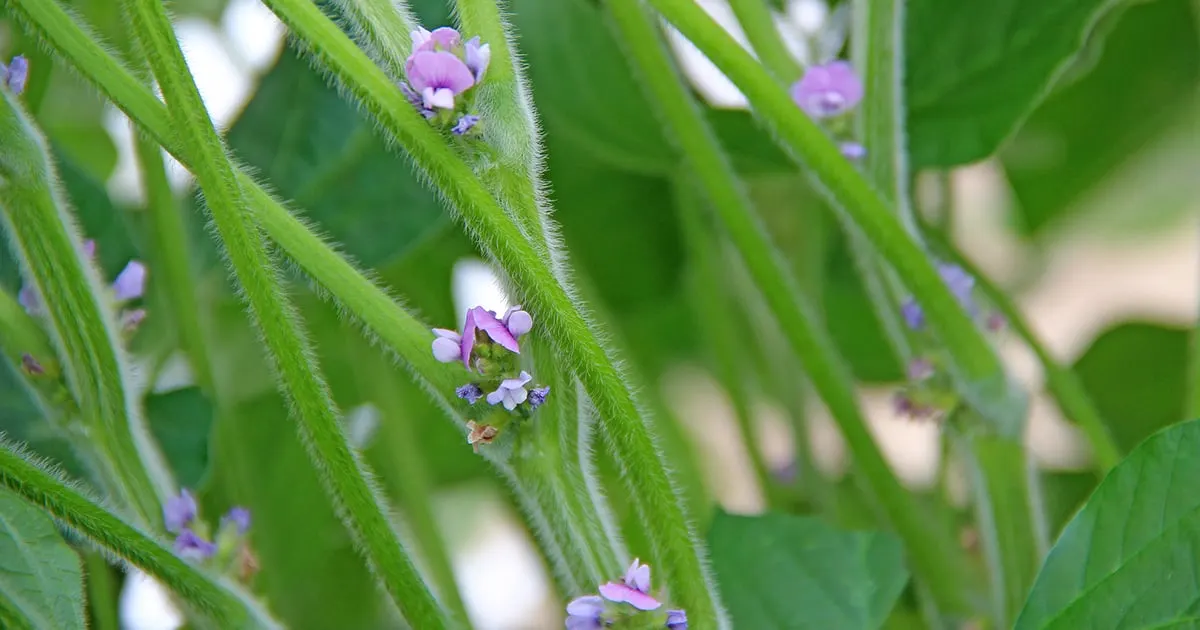
Farm Press reported that high temperatures and dry weather in the Midwest could hinder crop development. NASS cut its 2022 soybean acreage forecast to 88.3 million acres from 91 million in March, a larger drop than expected, and North Dakota farmers could not plant an estimated 1.1 million acres of soybeans due to flooding.
A smaller-than-expected soybean area combined with heat risk tightens supply expectations, supporting soybean and soybean meal prices.
 farmprogress.comForrest Laws25 lug 2022
Dopo 1079 eventi meteo rialzista passati, Soia si è mosso in mediana di +0,3% in 5 sedute (54% in rialzo; metà centrale da -1,4% a +2,0%), e di +0,9% in 20.
Dopo 453 eventi meteo rialzista passati, Farina di soia si è mosso in mediana di +0,5% in 5 sedute (55% in rialzo; metà centrale da -1,6% a +2,7%), e di +0,5% in 20.
Dopo 445 eventi meteo neutrale passati, Mais si è mosso in mediana di +0,1% in 5 sedute (52% in rialzo; metà centrale da -1,4% a +1,6%), e di +0,7% in 20.
Variazioni del benchmark di ciascuna materia prima rispetto all'ultima chiusura prima dell'evento. Le letture storiche raggruppano eventi passati dello stesso tipo; descrivono ciò che è accaduto, non ciò che accadrà. Non è consulenza di investimento.
NASS cut soybean acreage well below expectations while heat and dryness threatened crop development, tightening supply expectations.
Heat and dryness in the Midwest and a larger-than-expected cut in soybean acreage tightened expected US supply.
