Caricamento…
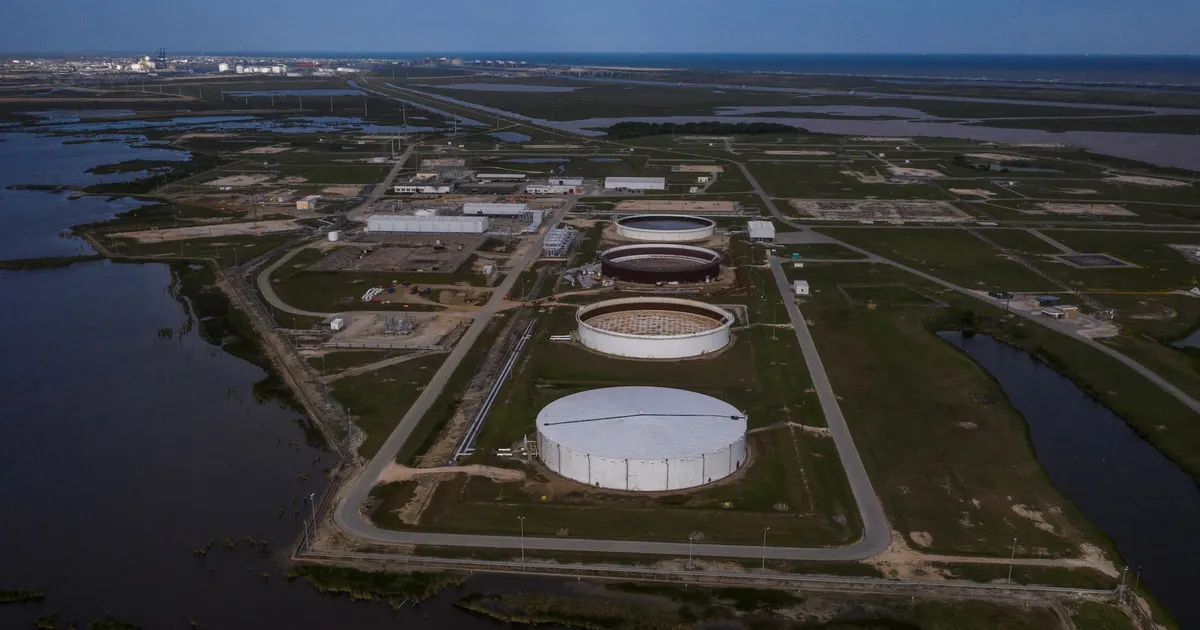
Oil prices settled about 2% lower on Friday with a large weekly loss after weaker-than-expected US August jobs data. Brent fell to $71.06, its lowest since December 2021, and WTI fell to $67.67, its lowest since June 2023.
The jobs data pointed to a slowing labor market that may not justify a big Federal Reserve rate cut, outweighing support from an OPEC+ delay to supply increases.
Weaker demand expectations and reduced odds of aggressive Fed easing pressure crude and energy-linked prices lower. Lower crude tends to weigh on biofuel economics and on soybean oil and corn-based ethanol margins, with feed-cost implications for buyers.
 reuters.comNicole Jao6 set 2024
Dopo 565 eventi macro ribassista passati, Petrolio greggio (WTI) si è mosso in mediana di -1,4% in 5 sedute (41% in rialzo; metà centrale da -5,9% a +3,0%), e di -0,5% in 20.
Dopo 312 eventi macro ribassista passati, Petrolio greggio (Brent) si è mosso in mediana di -1,7% in 5 sedute (38% in rialzo; metà centrale da -5,4% a +2,3%), e di -1,7% in 20.
Dopo 359 eventi macro neutrale passati, Dollaro USA (ampio) si è mosso in mediana di -0,0% in 5 sedute (49% in rialzo; metà centrale da -0,4% a +0,4%), e di -0,1% in 20.
Variazioni del benchmark di ciascuna materia prima rispetto all'ultima chiusura prima dell'evento. Le letture storiche raggruppano eventi passati dello stesso tipo; descrivono ciò che è accaduto, non ciò che accadrà. Non è consulenza di investimento.
Weak US August jobs data on Sept 6 signaled slowing demand and less Fed easing, pushing Brent to its lowest since Dec 2021 and sealing the weekly loss.
