Caricamento…
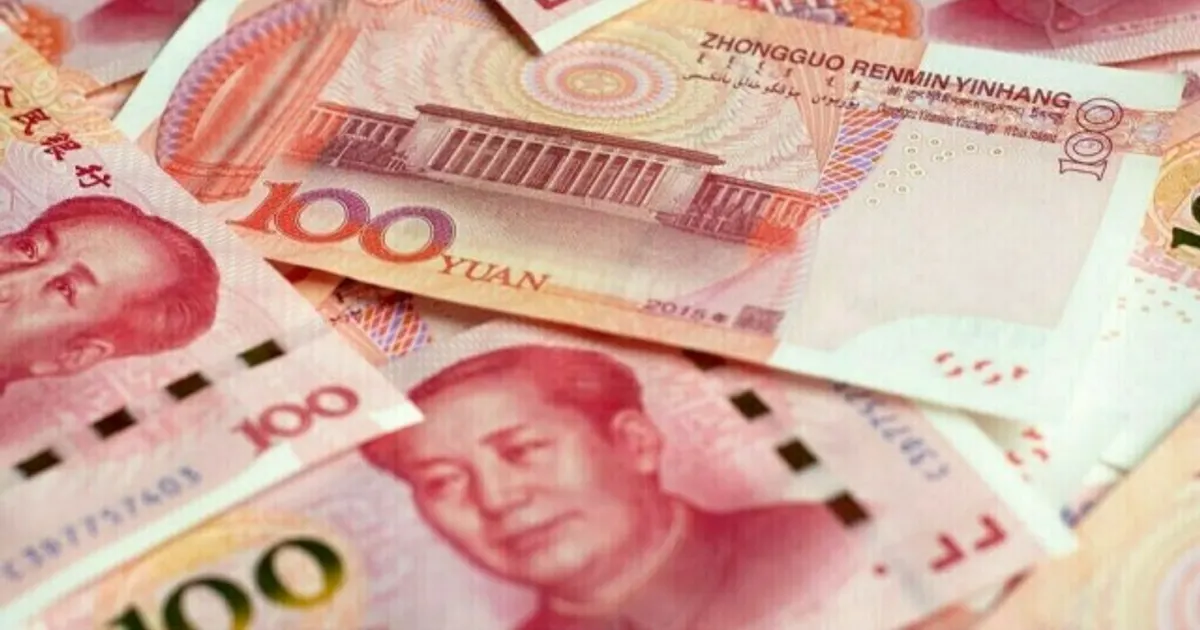
The yuan touched a more than two-year low against the dollar on Sept. 5, pressured by broad dollar strength and a resurgence of COVID-19 infections.
Shenzhen adopted tiered anti-virus restrictions and Chengdu extended lockdown curbs, while the PBOC set firmer-than-expected fixings.
Renewed COVID restrictions weaken Chinese economic activity and feed demand, and a weaker yuan raises the dollar cost of imports, both bearish for feed ingredient purchases.
 brecorder.comReuters5 set 2022
Dopo 487 eventi rialzista di ogni tipo passati, Yuan cinese (CNY per USD) si è mosso in mediana di +0,1% in 5 sedute (56% in rialzo; metà centrale da -0,3% a +0,6%), e di +0,1% in 20.
Dopo 50 eventi malattie ribassista passati, Soia si è mosso in mediana di +0,5% in 5 sedute (58% in rialzo; metà centrale da -1,7% a +2,4%), e di +0,0% in 20.
Dopo 117 eventi malattie ribassista passati, Suini magri si è mosso in mediana di -0,6% in 5 sedute (36% in rialzo; metà centrale da -2,2% a +1,6%), e di +1,2% in 20.
Variazioni del benchmark di ciascuna materia prima rispetto all'ultima chiusura prima dell'evento. Le letture storiche raggruppano eventi passati dello stesso tipo; descrivono ciò che è accaduto, non ciò che accadrà. Non è consulenza di investimento.
Dollar strength and COVID resurgence pushed the yuan to a two-year low on Sept. 5, setting the extreme starting point for the sharp reversal and contributing to the volatility.
