Caricamento…
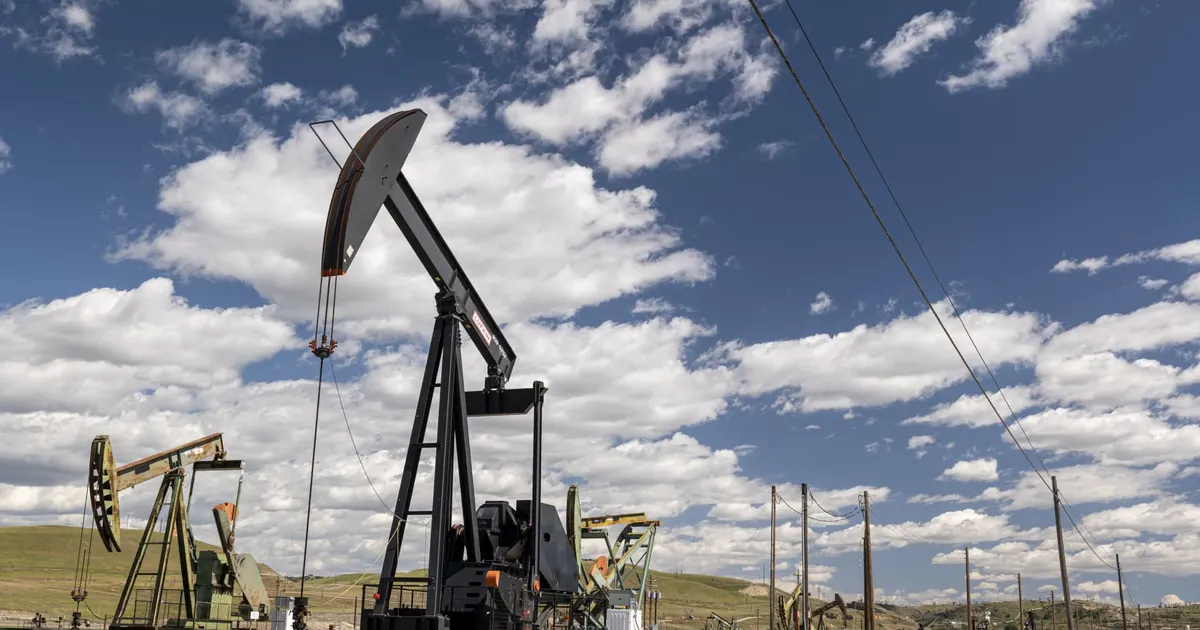
WTI settled down 8.24% at $99.50 per barrel after trading as low as $97.43, and Brent settled down 9.45% at $102.77. The sell-off reflected recession fears that are curbing oil demand, with Citi warning Brent could fall to $65 by year-end if the economy enters recession.
A sharp fall in crude and product prices driven by demand fears lowers energy input costs for feed production. Recession-driven demand loss could extend the decline in fuel and energy-linked costs.
 cnbc.comPippa Stevens5 lug 2022
Dopo 565 eventi macro ribassista passati, Petrolio greggio (WTI) si è mosso in mediana di -1,4% in 5 sedute (41% in rialzo; metà centrale da -5,9% a +3,0%), e di -0,5% in 20.
Dopo 312 eventi macro ribassista passati, Petrolio greggio (Brent) si è mosso in mediana di -1,7% in 5 sedute (38% in rialzo; metà centrale da -5,4% a +2,3%), e di -1,7% in 20.
Dopo 79 eventi macro ribassista passati, ULSD / Gasolio si è mosso in mediana di -1,0% in 5 sedute (39% in rialzo; metà centrale da -5,7% a +1,7%), e di -1,5% in 20.
Variazioni del benchmark di ciascuna materia prima rispetto all'ultima chiusura prima dell'evento. Le letture storiche raggruppano eventi passati dello stesso tipo; descrivono ciò che è accaduto, non ciò che accadrà. Non è consulenza di investimento.
Directly describes the July 5 WTI selloff (settled -8.24% to $99.50) on recession fears curbing oil demand, with Citi's bearish call.
WTI and Brent fell about 8-9% on July 5 on recession fears, cutting crude input cost and dragging ULSD sharply lower within the window.
