Caricamento…
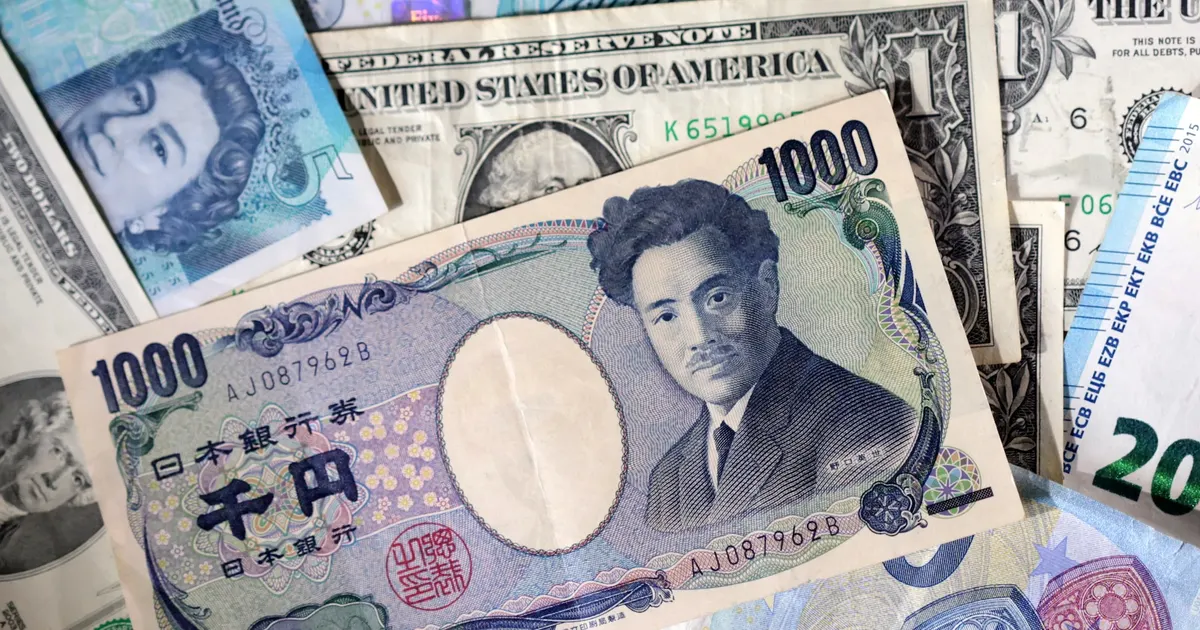
The euro and yen fell on Monday as higher oil prices weighed on currencies of countries most exposed to energy shortages. The dollar gained from a safe-haven bid tied to conflict in the Middle East.
Energy importers' currencies weaken when oil rises, which raises import costs for feed-importing economies and can shift feed purchasing power. A firmer dollar also makes dollar-priced commodities more expensive for buyers outside the US.
 reuters.comKaren Brettell1 mar 2026
Dopo 656 eventi geopolitica rialzista passati, Petrolio greggio (Brent) si è mosso in mediana di +1,9% in 5 sedute (63% in rialzo; metà centrale da -2,7% a +6,6%), e di +0,7% in 20.
Dopo 36 eventi geopolitica ribassista passati, Euro (USD per EUR) si è mosso in mediana di -1,0% in 5 sedute (22% in rialzo; metà centrale da -1,8% a -0,3%), e di -0,7% in 20.
Dopo 89 eventi geopolitica rialzista passati, Dollaro USA (ampio) si è mosso in mediana di +0,5% in 5 sedute (74% in rialzo; metà centrale da -0,0% a +1,0%), e di +0,3% in 20.
Variazioni del benchmark di ciascuna materia prima rispetto all'ultima chiusura prima dell'evento. Le letture storiche raggruppano eventi passati dello stesso tipo; descrivono ciò che è accaduto, non ciò che accadrà. Non è consulenza di investimento.
Euro fell as higher oil prices from Middle East escalation hit energy-importing currencies while the dollar gained safe-haven demand, directly matching the 1-day move.
The euro and yen fell against the dollar on higher oil prices and a safe-haven bid, which are major components of the broad dollar index move.
