Caricamento…
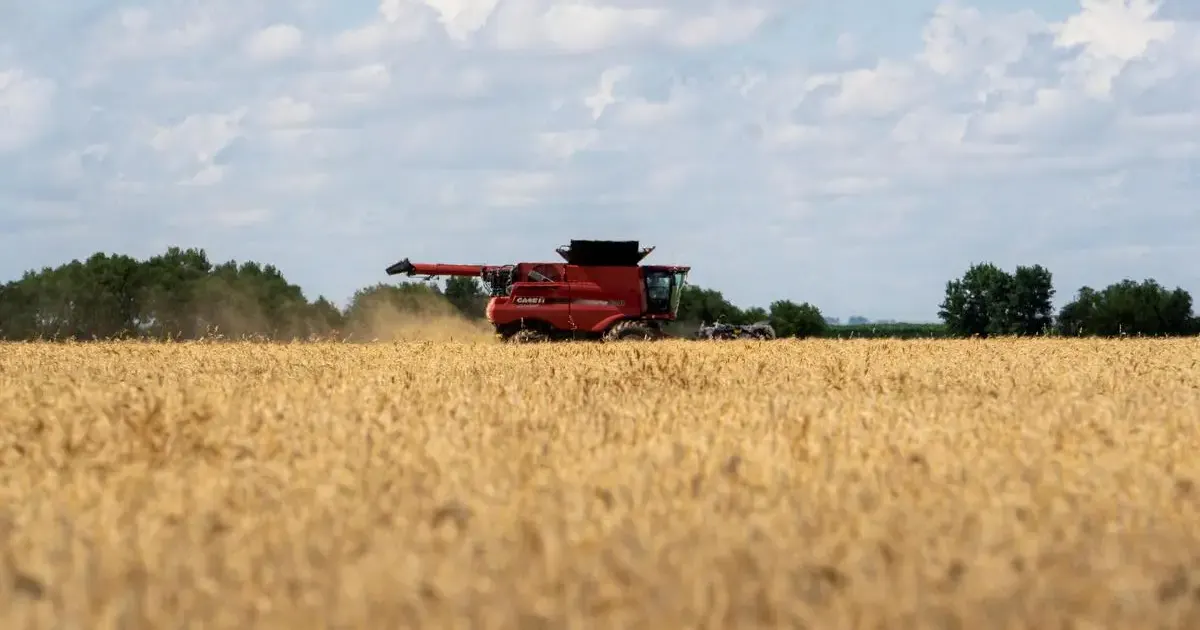
USDA projected the smallest US wheat harvest since 1972 due to Plains drought, with hard red winter output the lowest in decades. It also forecast the second-largest soybean crop on record and a 6% drop in corn production.
Fertilizer costs rose after the Strait of Hormuz closure.
Sharply lower wheat output and a smaller corn crop tighten feed grain supplies, while record soybean output and soybean meal supply weigh on meal prices. Higher fertilizer and fuel costs raise production costs.
 agri-pulse.comOliver Ward12 mag 2026
 agweb.comReuters12 mag 2026
 producer.com12 mag 2026
 thehindubusinessline.comReuters12 mag 2026
Dopo 769 eventi rapporto rialzista passati, Frumento (SRW) si è mosso in mediana di +0,2% in 5 sedute (53% in rialzo; metà centrale da -1,4% a +2,0%), e di +0,2% in 20.
Dopo 788 eventi rapporto ribassista passati, Soia si è mosso in mediana di -0,3% in 5 sedute (47% in rialzo; metà centrale da -2,0% a +1,5%), e di -0,9% in 20.
Dopo 1040 eventi rapporto rialzista passati, Mais si è mosso in mediana di +0,5% in 5 sedute (62% in rialzo; metà centrale da -0,9% a +2,0%), e di +0,8% in 20.
Dopo 399 eventi rapporto ribassista passati, Farina di soia si è mosso in mediana di -0,4% in 5 sedute (44% in rialzo; metà centrale da -2,4% a +1,2%), e di -1,0% in 20.
Variazioni del benchmark di ciascuna materia prima rispetto all'ultima chiusura prima dell'evento. Le letture storiche raggruppano eventi passati dello stesso tipo; descrivono ciò che è accaduto, non ciò che accadrà. Non è consulenza di investimento.
USDA's projection of the smallest US wheat crop since 1972 due to Plains drought, plus higher fertilizer costs, supports the supply-driven rally.
Smallest US wheat harvest since 1972 from drought tightens supply, supporting price.
