Caricamento…
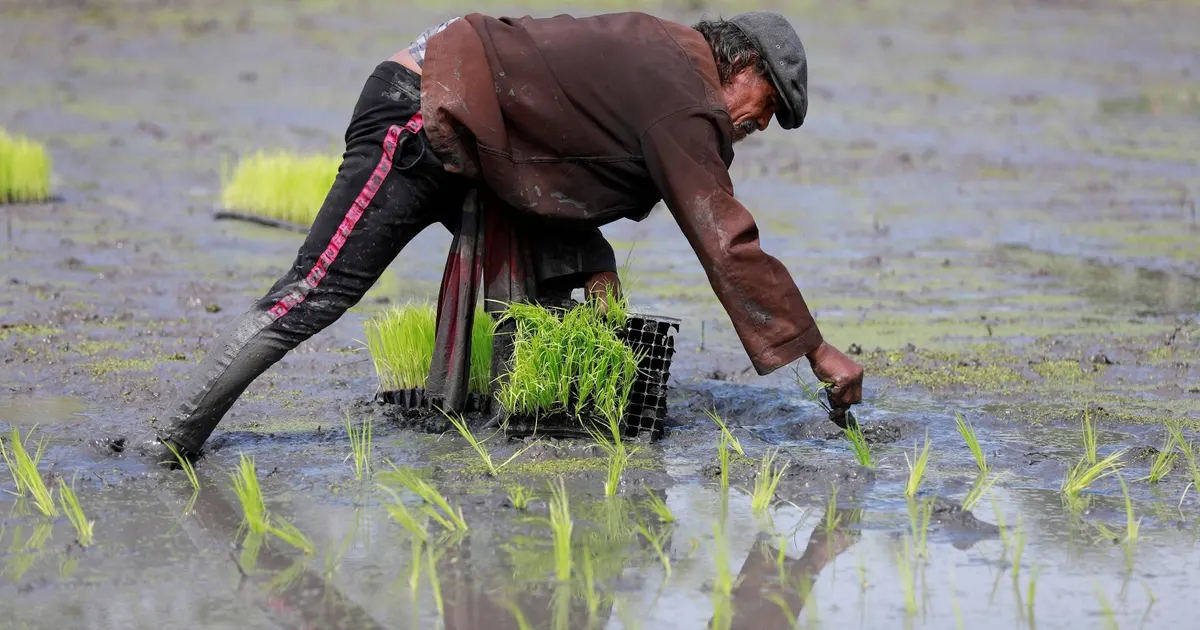
Rice supply is expected to fall this year as Asian farmers cut acreage due to fertilizer shortages and higher fuel costs from the Iran war. An emerging El Niño is also expected to squeeze output in top exporters and importers.
Expected output declines in major exporters like Thailand and Vietnam tighten global rice supply and can lift prices. Rice price moves have limited direct effect on feed formulation.
 japantimes.co.jpNaveen Thukral, Panarat Thepgumpanat1 mag 2026
 thestar.com.myNaveen Thukral, Panarat Thepgumpanat30 apr 2026
Dopo 323 eventi geopolitica rialzista passati, Mais si è mosso in mediana di +0,5% in 5 sedute (57% in rialzo; metà centrale da -1,5% a +2,9%), e di +0,9% in 20.
Dopo 12 eventi geopolitica rialzista passati, Risone si è mosso in mediana di +1,6% in 5 sedute (58% in rialzo; metà centrale da -0,5% a +6,8%), e di +5,4% in 20.
Dopo 205 eventi geopolitica rialzista passati, Urea si è mosso in mediana di +0,4% in 5 sedute (53% in rialzo; metà centrale da -2,1% a +3,0%), e di -0,4% in 20.
Variazioni del benchmark di ciascuna materia prima rispetto all'ultima chiusura prima dell'evento. Le letture storiche raggruppano eventi passati dello stesso tipo; descrivono ciò che è accaduto, non ciò che accadrà. Non è consulenza di investimento.
Expected lower global rice supply from reduced Asian acreage (fertilizer, fuel costs from Iran war) and El Niño raised supply-risk premium in the days leading to the move.
Reports of Asian acreage cuts from fertilizer and fuel costs plus El Niño risk point to tighter supply, which supports a rally in rice futures.
The 2026-04-30 report of expected lower global rice supply from acreage cuts and El Niño adds to supply-risk sentiment just before the move.
