Memuat…
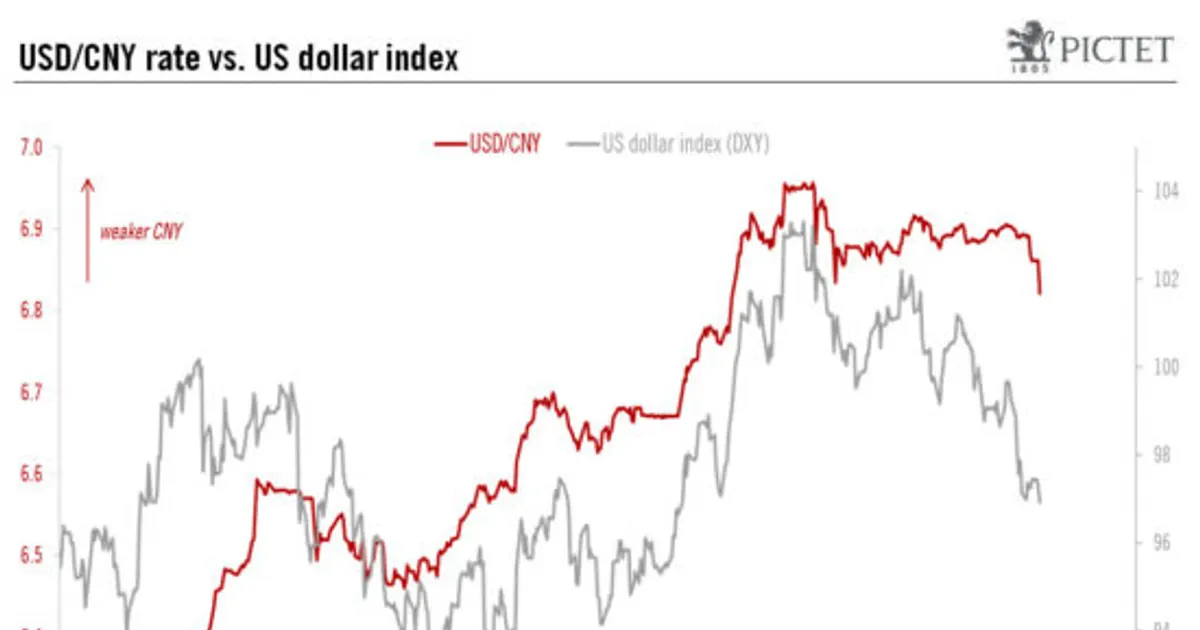
The People's Bank of China introduced a counter-cyclical adjustment factor into its daily USD/CNY reference rate calculation. The change adds a macroeconomic weighting to the fixing, giving the central bank more control over the exchange rate.
The move is designed to reduce pressure on the renminbi if the dollar strengthens again.
By limiting renminbi depreciation, the new fixing lowers the risk of a sudden cheapening of dollar-priced imports from China's perspective, which can otherwise slow Chinese purchases of US and Brazilian grains and meal. The policy shift reduces currency-driven volatility for feed importers.
 swiss.economicblogs.orgLuc Luyet &, Dong Chen1 Jun 2017
 farmprogress.comBob Burgdorfer Senior Editor, Farm Futures5 Jun 2017
Setelah 439 peristiwa kebijakan netral sebelumnya, Jagung bergerak median +0,1% selama 5 sesi (51% lebih tinggi; separuh tengah -1,3% sampai +1,2%), dan +1,1% selama 20 sesi.
Setelah 554 peristiwa kebijakan netral sebelumnya, Kedelai bergerak median +0,0% selama 5 sesi (51% lebih tinggi; separuh tengah -1,4% sampai +1,6%), dan +0,6% selama 20 sesi.
Belum cukup peristiwa historis yang sebanding untuk analisis historis.
Setelah 50 peristiwa kebijakan bearish sebelumnya, Yuan Tiongkok (CNY per USD) bergerak median -0,1% selama 5 sesi (46% lebih tinggi; separuh tengah -0,4% sampai +0,4%), dan -0,0% selama 20 sesi.
Pergerakan benchmark setiap komoditas dari penutupan terakhir sebelum peristiwa. Pembacaan historis menggabungkan peristiwa serupa di masa lalu; itu menggambarkan apa yang terjadi, bukan apa yang akan terjadi. Bukan nasihat investasi.
The new fixing mechanism limits depreciation pressure and gives the central bank more control, supporting the yuan.
