Memuat…
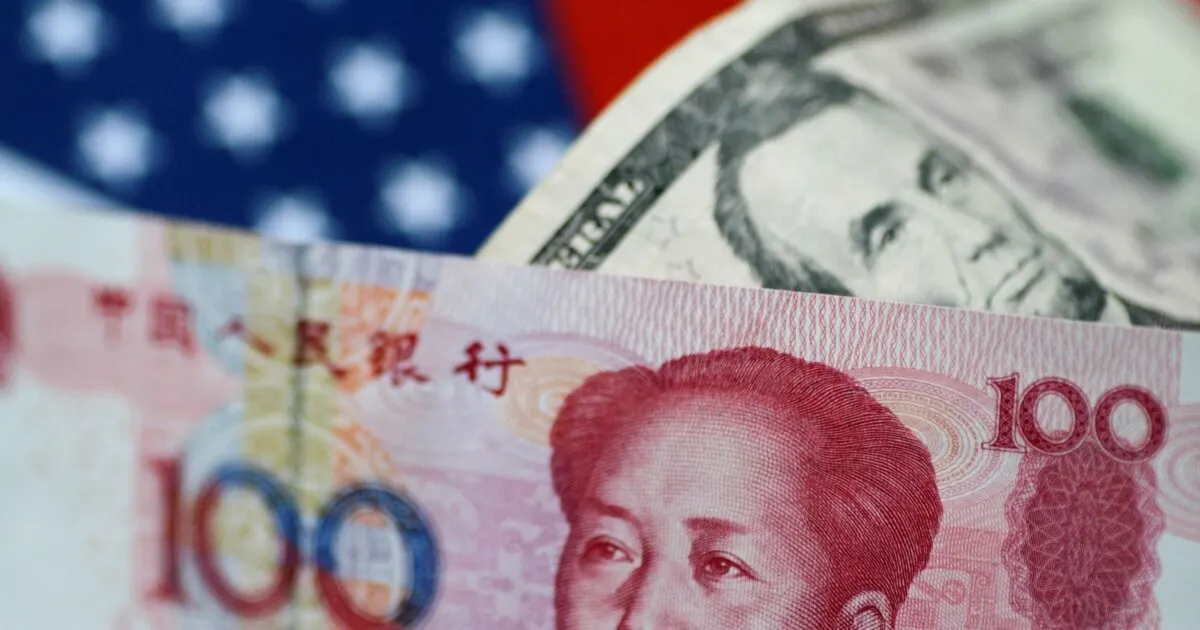
China's yuan and stock markets attempted a modest recovery after a sharp sell-off, though investors faced heavy losses as the Sino-U.S. trade row deepened. The yuan was set for its biggest monthly fall since the 1994 exchange rate unification, and Chinese stocks were heading for their largest monthly slide since January 2016.
Neither Washington nor Beijing showed signs of backing down on tariffs.
An ongoing tariff standoff threatens US agricultural export flows to China, a key soybean and feed-ingredient buyer, and the weaker yuan raises the dollar cost of those imports. Capital outflow risks could further slow Chinese feed demand.
 voanews.comReuters29 Jun 2018
Setelah 803 peristiwa perdagangan bearish sebelumnya, Kedelai bergerak median +0,0% selama 5 sesi (51% lebih tinggi; separuh tengah -1,7% sampai +1,7%), dan +0,9% selama 20 sesi.
Setelah 40 peristiwa perdagangan bullish sebelumnya, Yuan Tiongkok (CNY per USD) bergerak median +0,6% selama 5 sesi (75% lebih tinggi; separuh tengah +0,0% sampai +1,4%), dan +1,1% selama 20 sesi.
Pergerakan benchmark setiap komoditas dari penutupan terakhir sebelum peristiwa. Pembacaan historis menggabungkan peristiwa serupa di masa lalu; itu menggambarkan apa yang terjadi, bukan apa yang akan terjadi. Bukan nasihat investasi.
