Memuat…
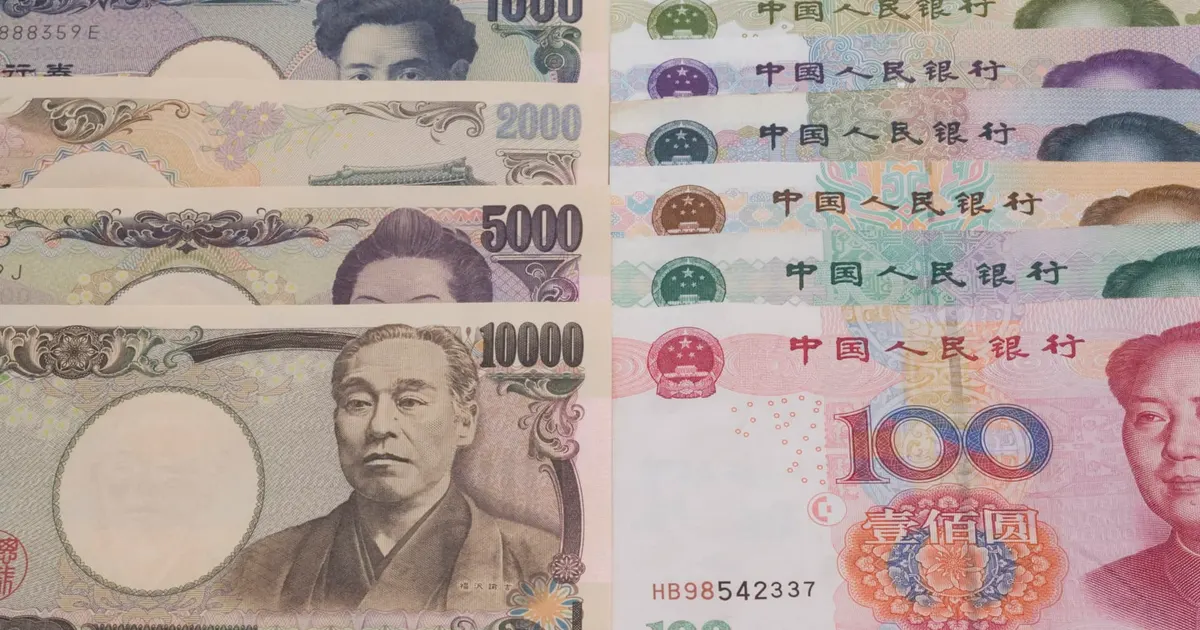
The yuan fell to 6.92 per dollar, its weakest since December, as China announced higher tariffs on $60 billion of US goods after the US raised tariffs on $200 billion of Chinese products. Concerns grew that China might sell its Treasury holdings as leverage.
Retaliatory tariffs on US goods threaten US farm export demand, particularly soybeans, and a weaker yuan makes US agricultural imports more expensive for Chinese buyers, pressuring US feed grain and soybean prices.
 cnbc.comReuters13 Mei 2019
Setelah 803 peristiwa perdagangan bearish sebelumnya, Kedelai bergerak median +0,0% selama 5 sesi (51% lebih tinggi; separuh tengah -1,7% sampai +1,7%), dan +0,9% selama 20 sesi.
Setelah 683 peristiwa perdagangan bearish sebelumnya, Jagung bergerak median -0,2% selama 5 sesi (47% lebih tinggi; separuh tengah -1,7% sampai +1,6%), dan +0,3% selama 20 sesi.
Setelah 40 peristiwa perdagangan bullish sebelumnya, Yuan Tiongkok (CNY per USD) bergerak median +0,6% selama 5 sesi (75% lebih tinggi; separuh tengah +0,0% sampai +1,4%), dan +1,1% selama 20 sesi.
Pergerakan benchmark setiap komoditas dari penutupan terakhir sebelum peristiwa. Pembacaan historis menggabungkan peristiwa serupa di masa lalu; itu menggambarkan apa yang terjadi, bukan apa yang akan terjadi. Bukan nasihat investasi.
On 2019-05-13 the yuan fell to about 6.92 per dollar, its weakest since December, after China announced retaliatory tariffs on $60B of US goods, which directly explains the 0.80% one-day move.
China's tariff hike on $60B of US goods on May 13 is the main trade shock hitting soybean demand expectations.
