Memuat…
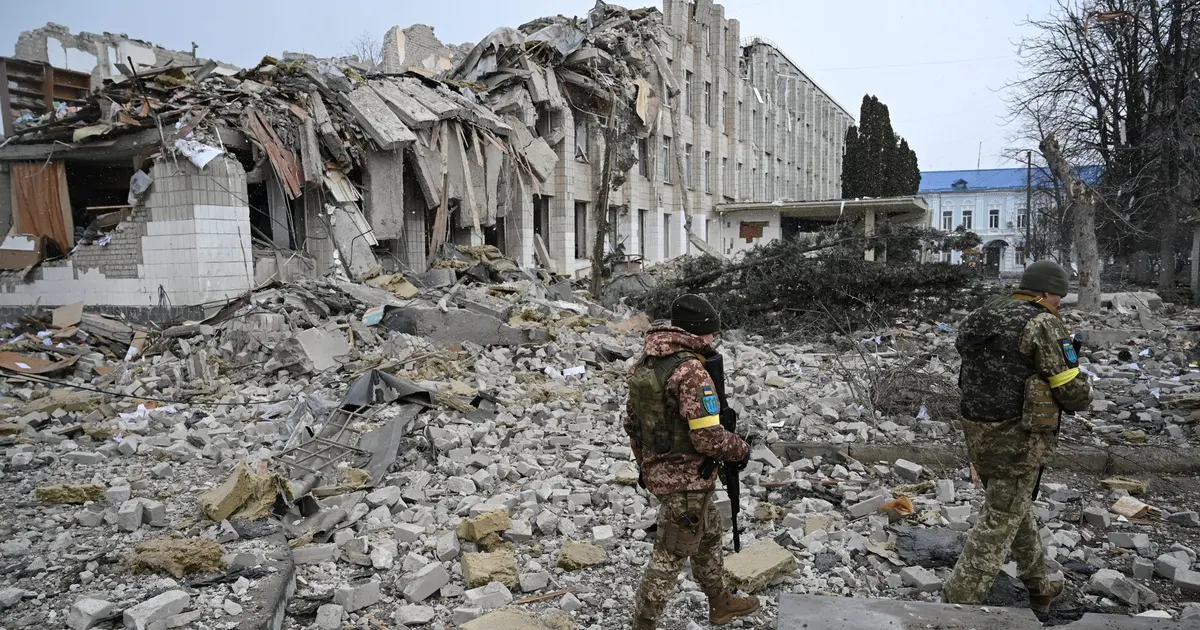
Market liquidity weakened during the week and deteriorated overnight amid Russia-Ukraine turmoil. The dollar index rose nearly 1%, mainly at the expense of the euro, which fell about 3% that week.
The decline was attributed to Europe's exposure to the Russian economy.
Market stress and a stronger dollar create currency-driven swings in dollar-priced feed commodities, with the effect on import costs for European buyers depending on how long the strain lasts.
 reuters.comDhara Ranasinghe5 Mar 2022
Setelah 89 peristiwa geopolitik bullish sebelumnya, Dolar AS (Luas) bergerak median +0,5% selama 5 sesi (74% lebih tinggi; separuh tengah -0,0% sampai +1,0%), dan +0,3% selama 20 sesi.
Setelah 36 peristiwa geopolitik bearish sebelumnya, Euro (USD per EUR) bergerak median -1,0% selama 5 sesi (22% lebih tinggi; separuh tengah -1,8% sampai -0,3%), dan -0,7% selama 20 sesi.
Pergerakan benchmark setiap komoditas dari penutupan terakhir sebelum peristiwa. Pembacaan historis menggabungkan peristiwa serupa di masa lalu; itu menggambarkan apa yang terjadi, bukan apa yang akan terjadi. Bukan nasihat investasi.
Euro fell about 3% that week as dollar demand rose and Europe's exposure to Russia was priced in, matching the size of the move.
Weekly dollar gain of nearly 1% against a euro down about 3% on Europe's exposure to Russia, and weakened market liquidity, reflects the stress-driven dollar bid.
