Memuat…
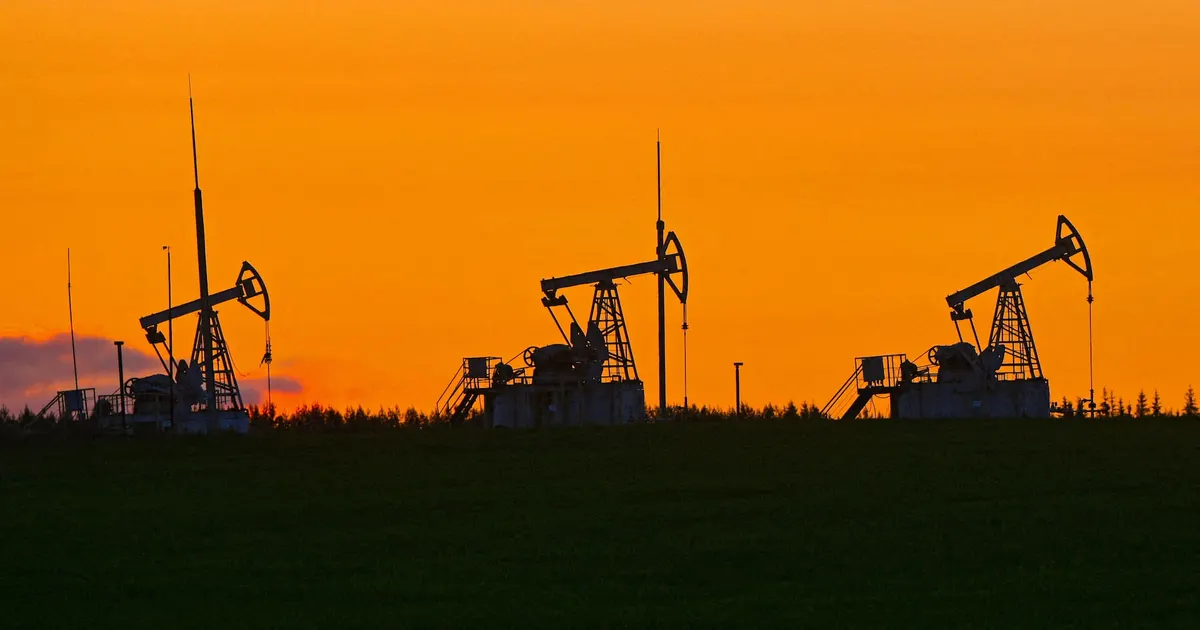
Oil prices surged about 5% to a two-week high after the US imposed sanctions on Rosneft and Lukoil over Russia's war in Ukraine. Brent settled at $65.99 and WTI at $61.79, and energy firms in China and India were weighing cuts to Russian imports.
If Chinese and Indian buyers cut Russian crude, global supply tightens and crude prices stay elevated. Higher crude supports biofuel and diesel costs, which can lift soybean oil and other energy-linked feed inputs.
 reuters.comScott Disavino22 Okt 2025
Setelah 656 peristiwa geopolitik bullish sebelumnya, Minyak Mentah (Brent) bergerak median +1,9% selama 5 sesi (63% lebih tinggi; separuh tengah -2,7% sampai +6,6%), dan +0,7% selama 20 sesi.
Setelah 626 peristiwa geopolitik bullish sebelumnya, Minyak Mentah (WTI) bergerak median +2,1% selama 5 sesi (62% lebih tinggi; separuh tengah -2,3% sampai +8,5%), dan +1,6% selama 20 sesi.
Setelah 250 peristiwa geopolitik bullish sebelumnya, ULSD / Solar bergerak median +1,7% selama 5 sesi (58% lebih tinggi; separuh tengah -3,6% sampai +8,7%), dan +0,9% selama 20 sesi.
Pergerakan benchmark setiap komoditas dari penutupan terakhir sebelum peristiwa. Pembacaan historis menggabungkan peristiwa serupa di masa lalu; itu menggambarkan apa yang terjadi, bukan apa yang akan terjadi. Bukan nasihat investasi.
Reuters report dated Oct 22 of oil surging about 5% after US sanctions on Rosneft and Lukoil, with Brent settling near $66, directly matches the 1-day move through 2025-10-22.
US sanctions on Rosneft and Lukoil threaten Russian crude supply and trade flows, driving Brent up about 5% to a two-week high.
US sanctions on Rosneft and Lukoil on Oct 22 sent crude up ~5%, a supply-risk shock that directly lifted ULSD futures the same day.
The sanctions on Russian majors drove a ~5% crude surge, lifting diesel via input cost and supply-risk sentiment; the settlement is dated Oct 22 but the move carried into the Oct 23 diesel session.
