Memuat…
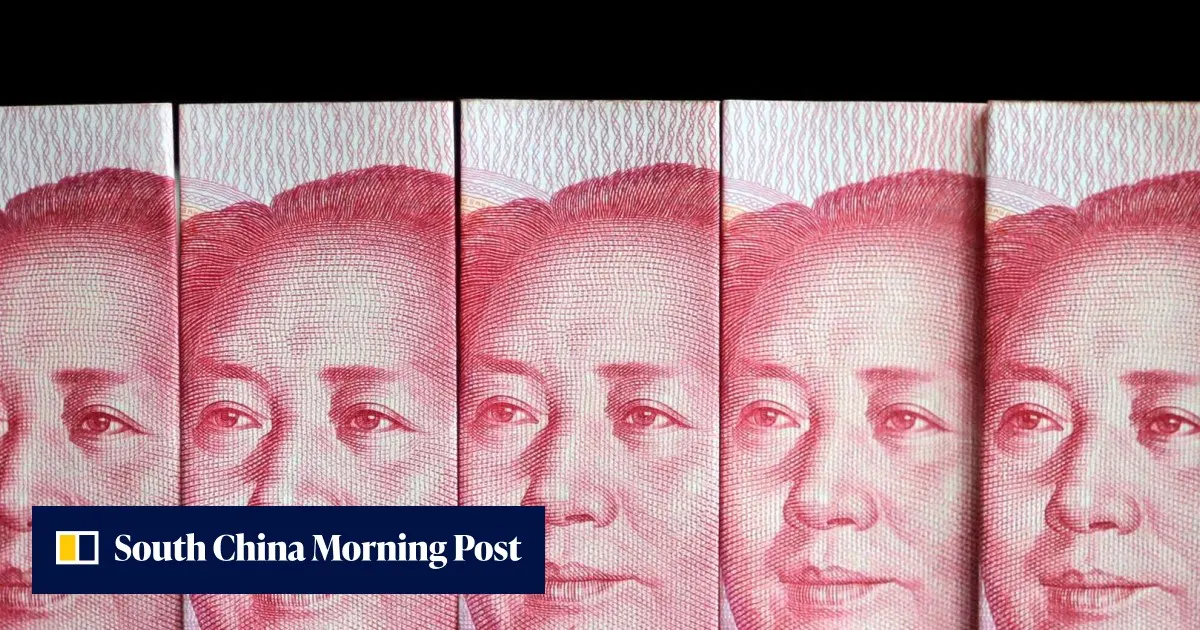
The yuan slid to a seven-year low after the People's Bank of China lowered its reference rate for a seventh consecutive trading day. The decline came as the dollar extended its post-election rally to a one-year high.
A persistently weaker yuan raises the dollar cost of Chinese imports and signals policy tolerance for depreciation, which can weigh on demand for U.S. feed commodities and support a stronger dollar.
 scmp.comCelia Chen14 Nov 2016
Setelah 398 peristiwa makro bullish sebelumnya, Yuan Tiongkok (CNY per USD) bergerak median +0,0% selama 5 sesi (56% lebih tinggi; separuh tengah -0,3% sampai +0,5%), dan +0,0% selama 20 sesi.
Setelah 2.356 peristiwa makro bullish sebelumnya, Dolar AS (Luas) bergerak median +0,2% selama 5 sesi (60% lebih tinggi; separuh tengah -0,3% sampai +0,7%), dan +0,4% selama 20 sesi.
Pergerakan benchmark setiap komoditas dari penutupan terakhir sebelum peristiwa. Pembacaan historis menggabungkan peristiwa serupa di masa lalu; itu menggambarkan apa yang terjadi, bukan apa yang akan terjadi. Bukan nasihat investasi.
Same-day report of the yuan sliding to a seven-year low after the PBOC lowered its reference rate for a seventh straight day, directly describing the 14 Nov move via policy-driven currency weakness and dollar strength.
On Nov 14 the yuan hit a seven-year low as the PBOC lowered its reference rate for a seventh straight day and the dollar extended its rally, directly contributing to the end-of-window move.
The post-election dollar rally extended to a one-year high on 11/14 as the yuan fell, showing broad dollar strength.
