Memuat…
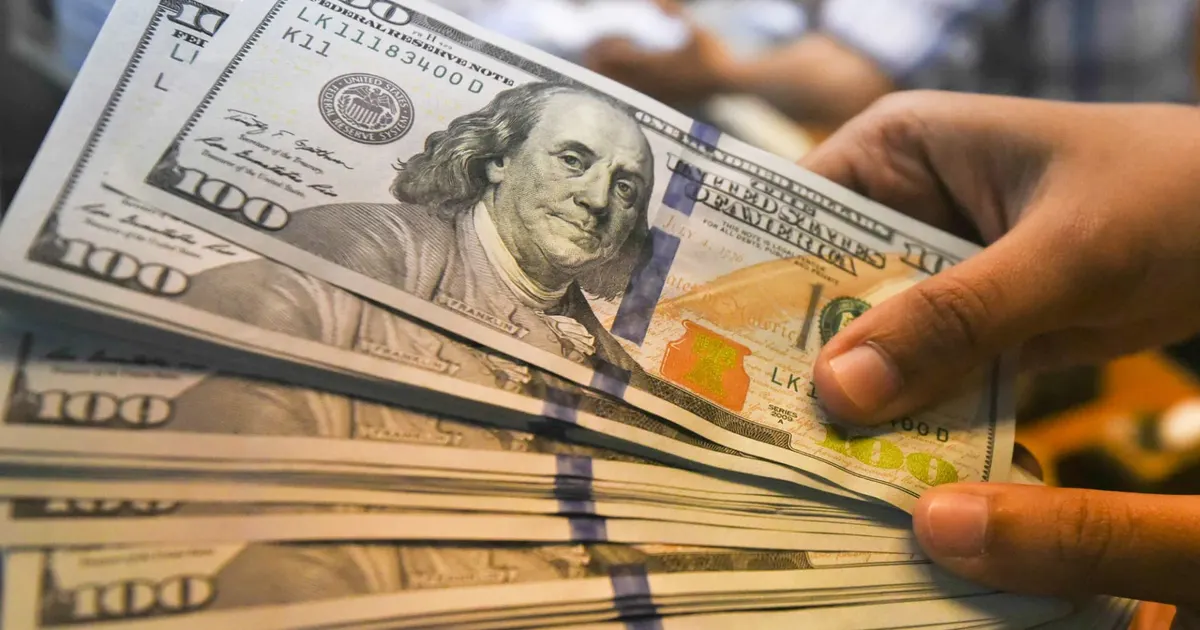
The U.S. dollar fell against its rivals on June 20, 2019, heading for its biggest two-day drop in a year after the Federal Reserve signaled it could cut rates as early as July. The ECB and RBA had also signaled more stimulus, and higher-yielding currencies such as the Australian dollar and Korean won rallied.
Some hedge funds that had built large long-dollar positions before the Fed decision were forced to sell.
A weaker dollar makes dollar-priced commodities cheaper for foreign buyers, which tends to support export demand and firm prices for feed grains and oilseeds. Expectations of lower U.S. rates also reduce the cost of carrying inventory.
 cnbc.comReuters20 Jun 2019
Setelah 1.637 peristiwa makro bearish sebelumnya, Dolar AS (Luas) bergerak median -0,2% selama 5 sesi (39% lebih tinggi; separuh tengah -0,6% sampai +0,3%), dan -0,2% selama 20 sesi.
Pergerakan benchmark setiap komoditas dari penutupan terakhir sebelum peristiwa. Pembacaan historis menggabungkan peristiwa serupa di masa lalu; itu menggambarkan apa yang terjadi, bukan apa yang akan terjadi. Bukan nasihat investasi.
Dovish Fed signal on rate cuts drove the dollar's biggest two-day drop in a year on June 20, with forced hedge fund long-dollar unwinding amplifying the move.
