Memuat…
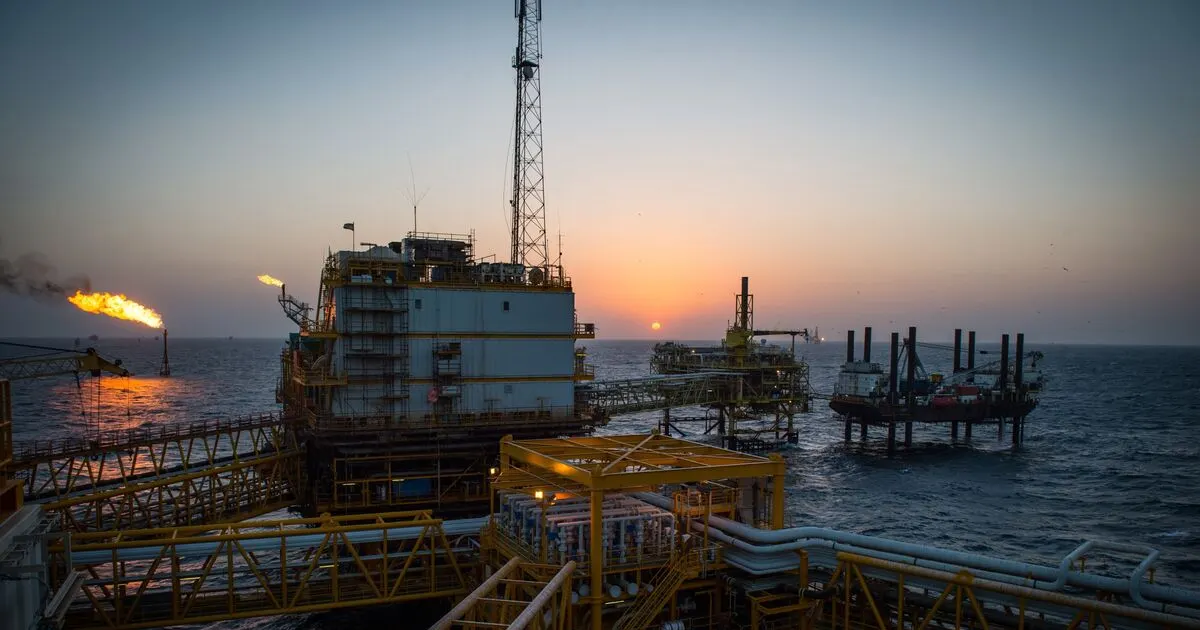
New York oil futures sank to their lowest levels in a year as oil demand in China, the world's largest importer, reportedly fell by about 3 million barrels a day. The drop was attributed to people with inside knowledge of the country's energy sector.
A roughly 3 million barrel per day demand loss is a large share of global consumption, which pressures crude and diesel prices lower. Weaker energy prices also reduce the cost advantage for biofuel feedstocks.
 bloomberg.comJackie Davalos3 Feb 2020
Setelah 32 peristiwa penyakit bearish sebelumnya, Minyak Mentah (WTI) bergerak median -5,2% selama 5 sesi (13% lebih tinggi; separuh tengah -15,0% sampai -2,4%), dan -5,7% selama 20 sesi.
Setelah 26 peristiwa penyakit bearish sebelumnya, Minyak Mentah (Brent) bergerak median -6,0% selama 5 sesi (15% lebih tinggi; separuh tengah -13,3% sampai -2,0%), dan -6,8% selama 20 sesi.
Pergerakan benchmark setiap komoditas dari penutupan terakhir sebelum peristiwa. Pembacaan historis menggabungkan peristiwa serupa di masa lalu; itu menggambarkan apa yang terjadi, bukan apa yang akan terjadi. Bukan nasihat investasi.
Reported ~3 mb/d drop in Chinese oil demand drove the Feb 3 slide to ~$50 WTI, a direct demand shock inside the window.
Same-day report of a reported ~3 mb/d fall in Chinese oil demand pushed futures sharply lower, a direct demand-shock mechanism.
