Memuat…
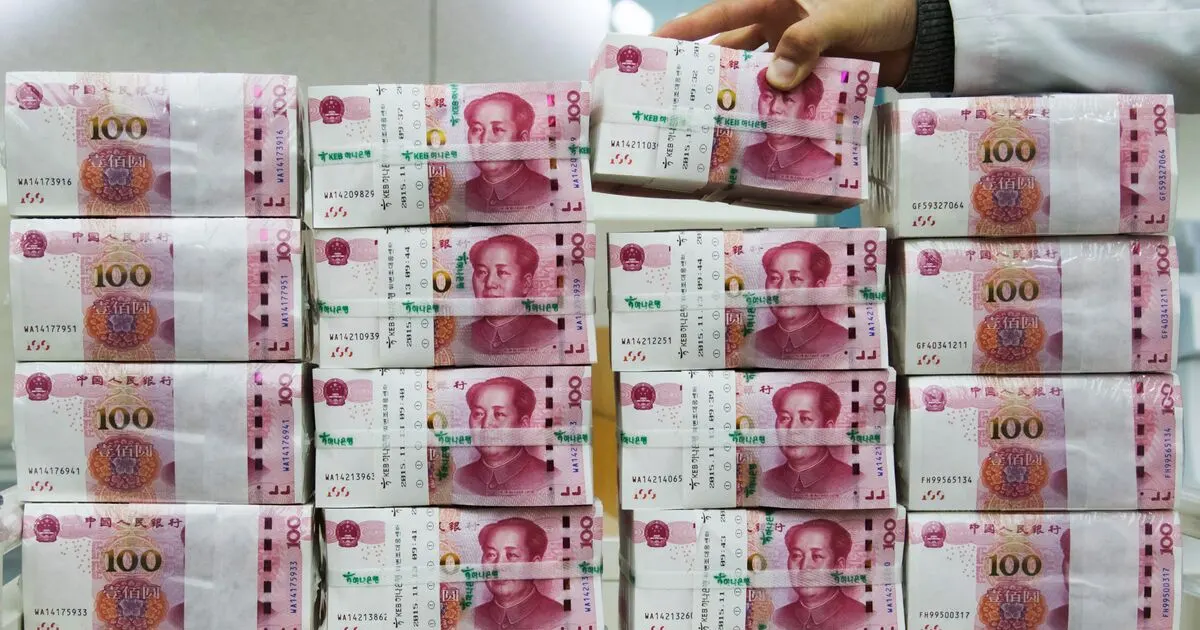
The yuan fell as much as 1.2 percent in Shanghai to 6.3550 per dollar, its biggest drop since the 2015 devaluation. The decline followed data showing China's trade surplus more than halved last month and speculation that outflow controls would be eased.
A weaker yuan and smaller trade surplus shift import demand and currency sentiment, which can modestly pressure dollar-priced soybean and feed imports.
 bloomberg.comBloomberg News8 Feb 2018
Setelah 398 peristiwa makro bullish sebelumnya, Yuan Tiongkok (CNY per USD) bergerak median +0,0% selama 5 sesi (56% lebih tinggi; separuh tengah -0,3% sampai +0,5%), dan +0,0% selama 20 sesi.
Setelah 50 peristiwa makro netral sebelumnya, Kedelai bergerak median -0,3% selama 5 sesi (48% lebih tinggi; separuh tengah -2,2% sampai +1,3%), dan -0,8% selama 20 sesi.
Pergerakan benchmark setiap komoditas dari penutupan terakhir sebelum peristiwa. Pembacaan historis menggabungkan peristiwa serupa di masa lalu; itu menggambarkan apa yang terjadi, bukan apa yang akan terjadi. Bukan nasihat investasi.
The yuan dropped as much as 1.2% intraday, its biggest fall since the 2015 devaluation, after trade surplus data and speculation of eased outflow controls, which matches the 0.91% CNY/USD move in size and timing.
