Memuat…
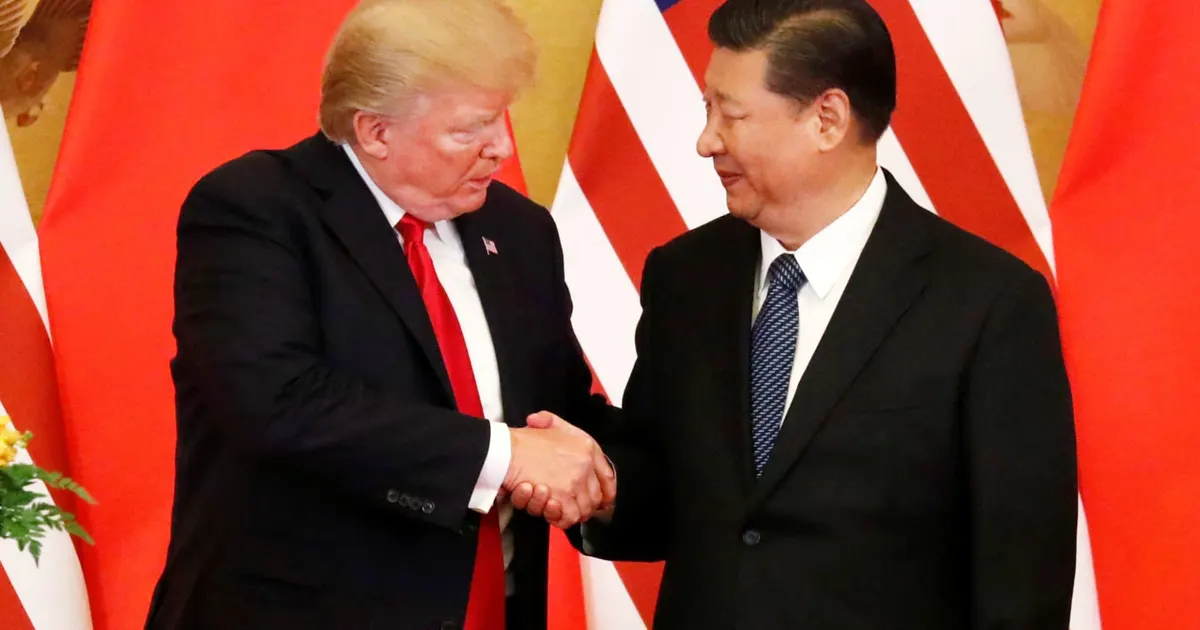
The Chinese yuan has appreciated about 10 percent against the dollar since the start of 2017, after rising almost 7 percent in 2017 and reversing three years of depreciation. Analysts say Beijing is allowing the gain partly to avoid being labelled a currency manipulator by President Trump, while the yuan remains mostly stable against a trade-weighted basket.
A stronger yuan makes Chinese imports of US and other dollar-priced feed commodities cheaper in yuan terms in principle, but the effect on import demand is modest given the yuan's stability on a trade-weighted basis. Currency moves of this kind are a background factor for feed import pricing rather than a direct driver.
 cnbc.comHuileng Tan23 Feb 2018
Setelah 362 peristiwa makro bearish sebelumnya, Yuan Tiongkok (CNY per USD) bergerak median -0,1% selama 5 sesi (42% lebih tinggi; separuh tengah -0,4% sampai +0,1%), dan -0,2% selama 20 sesi.
Setelah 359 peristiwa makro netral sebelumnya, Dolar AS (Luas) bergerak median -0,0% selama 5 sesi (49% lebih tinggi; separuh tengah -0,4% sampai +0,4%), dan -0,1% selama 20 sesi.
Pergerakan benchmark setiap komoditas dari penutupan terakhir sebelum peristiwa. Pembacaan historis menggabungkan peristiwa serupa di masa lalu; itu menggambarkan apa yang terjadi, bukan apa yang akan terjadi. Bukan nasihat investasi.
