Memuat…
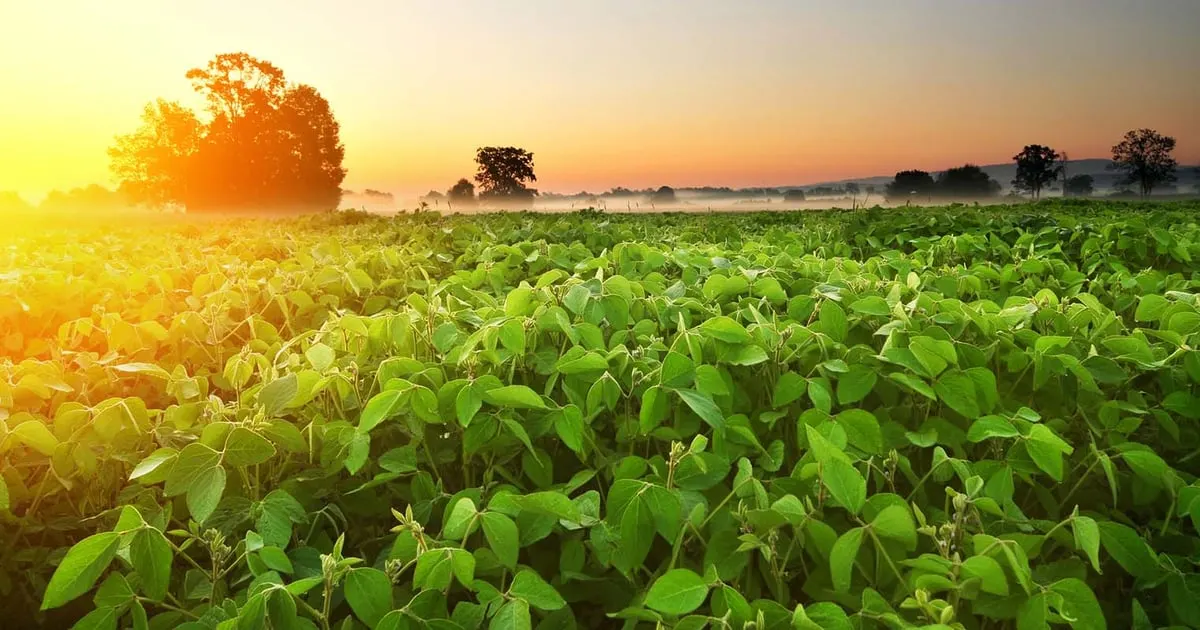
Soybeans have become the focal point of rising U.S.-China trade tensions, with China reportedly studying restrictions on U.S. soybean imports in retaliation for U.S. tariffs on washing machines and solar panels. China buys about a third of the U.S. soybean crop, largely for its hog herd.
Analysts describe soybean curbs as a worst-case scenario for Beijing given pork's importance to consumers.
A possible Chinese soybean import curb would remove a large share of U.S. export demand, pressuring soybean and meal prices. Feed costs for hog and poultry producers could shift depending on how the dispute develops.
 farmprogress.comBloomberg15 Feb 2018
Setelah 53 peristiwa geopolitik bearish sebelumnya, Kedelai bergerak median -0,3% selama 5 sesi (47% lebih tinggi; separuh tengah -1,9% sampai +1,2%), dan +1,0% selama 20 sesi.
Setelah 17 peristiwa geopolitik bearish sebelumnya, Bungkil Kedelai bergerak median -0,1% selama 5 sesi (47% lebih tinggi; separuh tengah -2,4% sampai +1,9%), dan +0,3% selama 20 sesi.
Pergerakan benchmark setiap komoditas dari penutupan terakhir sebelum peristiwa. Pembacaan historis menggabungkan peristiwa serupa di masa lalu; itu menggambarkan apa yang terjadi, bukan apa yang akan terjadi. Bukan nasihat investasi.
