Memuat…
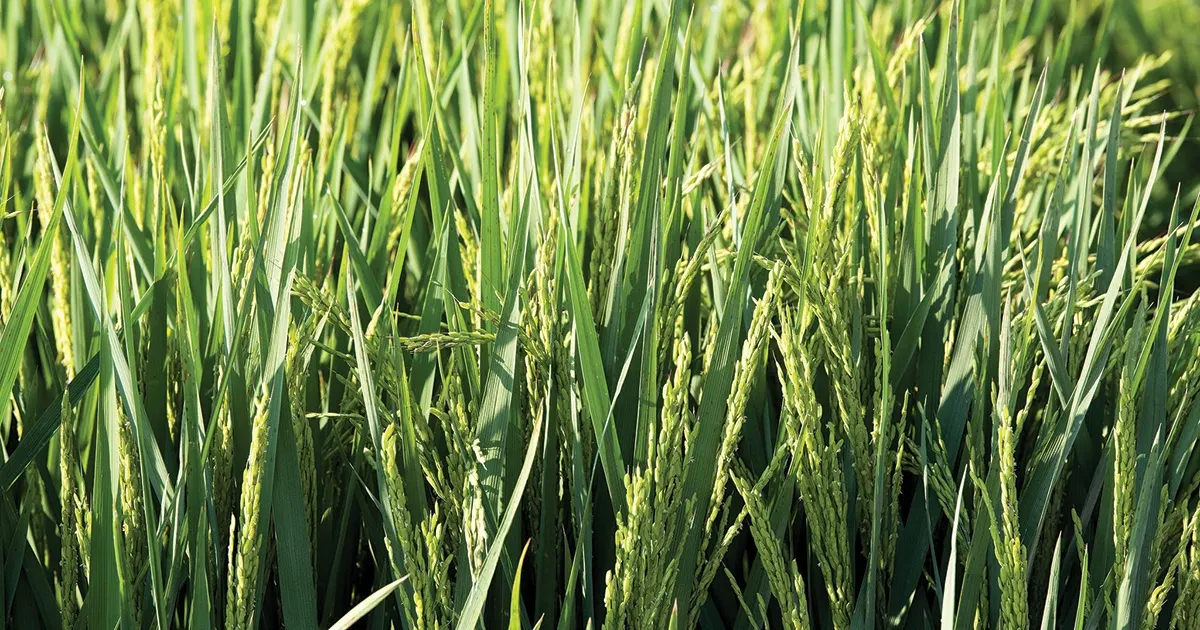
A University of Arkansas report says rice prices and planted acres are rising this spring, while corn, cotton and soybean farmers face weak prospects. The report also cites wet weather, severe storms and concern that COVID-19 could cut farm labor.
Rising rice acreage and prices offset some weakness, but labor shortages and weather could curb planting and support prices if they worsen.
 talkbusiness.netGeorge Jared22 Apr 2020
Setelah 179 peristiwa cuaca bullish sebelumnya, Gabah bergerak median +0,4% selama 5 sesi (55% lebih tinggi; separuh tengah -1,4% sampai +2,5%), dan +2,2% selama 20 sesi.
Setelah 357 peristiwa cuaca bearish sebelumnya, Jagung bergerak median -0,3% selama 5 sesi (44% lebih tinggi; separuh tengah -2,2% sampai +1,3%), dan -0,5% selama 20 sesi.
Setelah 363 peristiwa cuaca bearish sebelumnya, Kedelai bergerak median -0,6% selama 5 sesi (42% lebih tinggi; separuh tengah -2,5% sampai +1,1%), dan -0,2% selama 20 sesi.
Belum cukup peristiwa historis yang sebanding untuk analisis historis.
Pergerakan benchmark setiap komoditas dari penutupan terakhir sebelum peristiwa. Pembacaan historis menggabungkan peristiwa serupa di masa lalu; itu menggambarkan apa yang terjadi, bukan apa yang akan terjadi. Bukan nasihat investasi.
Same-day University of Arkansas report on US rice prices and acreage, with wet weather and COVID labor concerns, bears directly on US rough rice supply and sentiment.
The Arkansas report on rising rice prices, wet weather and COVID labor concerns points to US supply-side support for rough rice, published right before the move.
