Memuat…
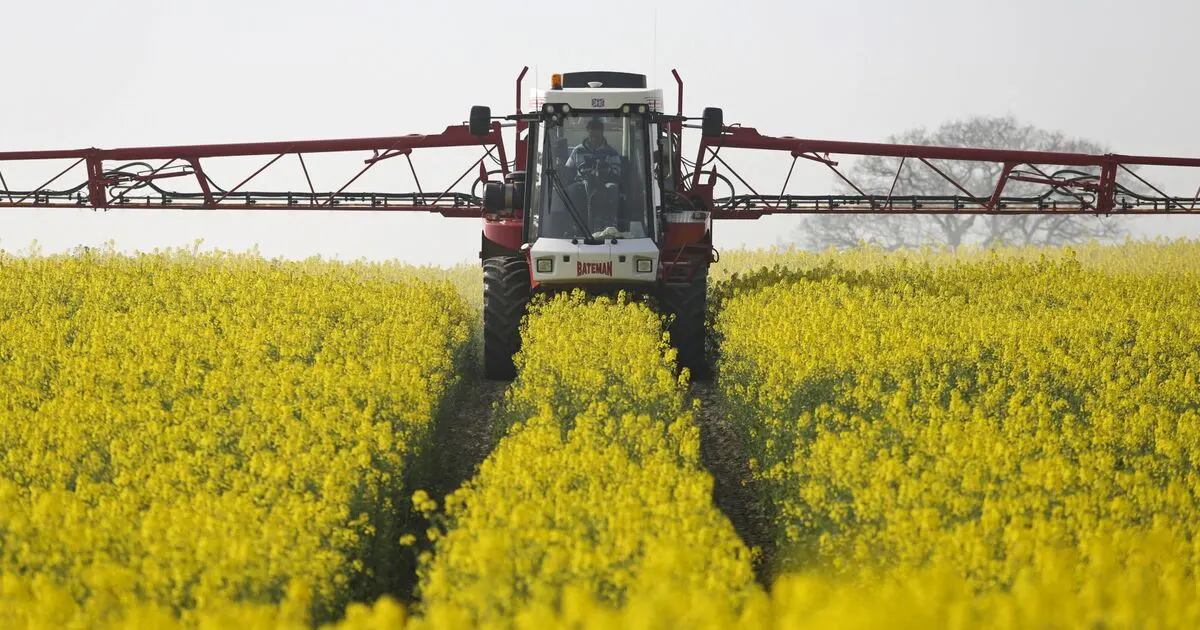
Fertilizer prices have reached a nine-year high as global inflation pushes up input costs. Higher freight rates, increased tariffs, rising energy costs and constrained supplies of nitrogen, potash and phosphate are all contributing.
Growers are applying more fertilizer as corn and wheat values have risen.
Higher fertilizer costs raise the cost of grain production, supporting crop prices and feeding through to feed input costs over time. Elevated nitrogen, potash and phosphate prices also squeeze farm margins and may reduce future planted acreage.
 bloomberg.comElizabeth Elkin27 Agu 2021
Setelah 92 peristiwa makro bullish sebelumnya, Urea bergerak median +0,0% selama 5 sesi (50% lebih tinggi; separuh tengah -2,0% sampai +3,6%), dan +4,8% selama 20 sesi.
Belum cukup peristiwa historis yang sebanding untuk analisis historis.
Setelah 28 peristiwa makro bullish sebelumnya, DAP bergerak median -0,2% selama 5 sesi (36% lebih tinggi; separuh tengah -0,9% sampai +1,3%), dan -0,8% selama 20 sesi.
Pergerakan benchmark setiap komoditas dari penutupan terakhir sebelum peristiwa. Pembacaan historis menggabungkan peristiwa serupa di masa lalu; itu menggambarkan apa yang terjadi, bukan apa yang akan terjadi. Bukan nasihat investasi.
Bloomberg reported fertilizer prices at a nine-year high on higher freight, energy costs and tight phosphate supply, which directly supports DAP price strength on the day of the move.
Bloomberg reported fertilizer prices at a nine-year high on inflation, freight, energy and tight phosphate supply, which fits the DAP price rise, though it was published a day after the move ended.
