Memuat…
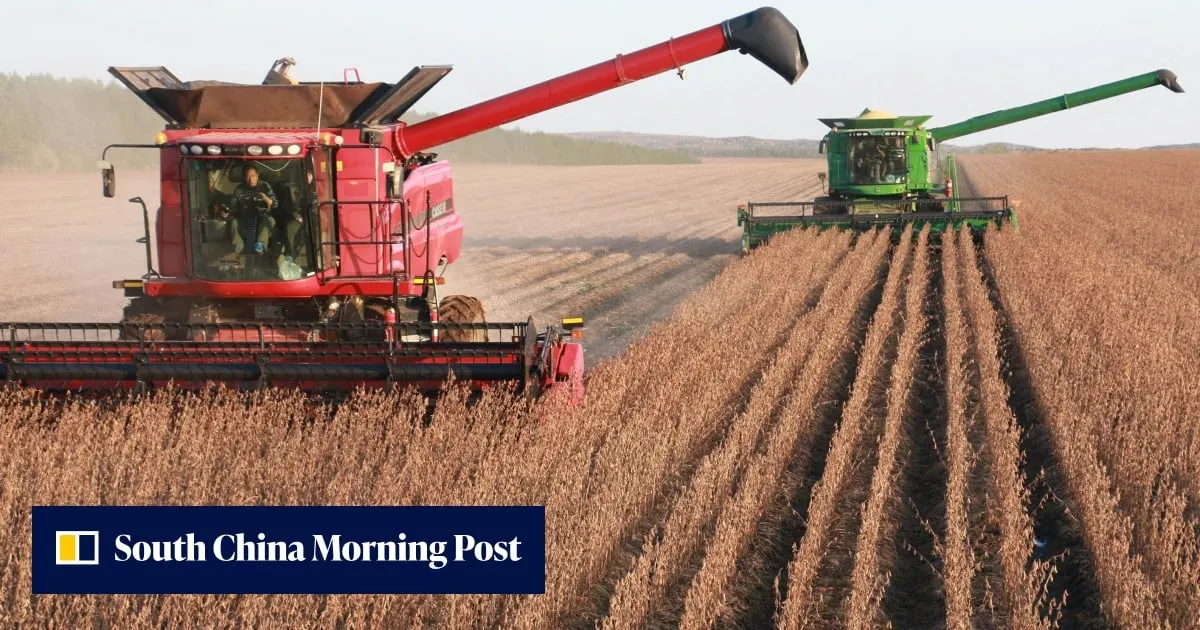
China imports about 86 percent of its soybeans, mainly from Brazil and the U.S., and uses them for livestock feed and edible oil. Chinese soybean demand is expected to rebound in 2020, but Beijing is weighing food security and self-reliance against its Phase One commitments to buy more U.S. farm goods.
Rebounding Chinese soybean demand supports global soybean and meal prices, but uncertainty over where supply will come from adds volatility to the outlook.
 scmp.comAmanda Lee27 Mei 2020
Setelah 696 peristiwa perdagangan bullish sebelumnya, Kedelai bergerak median +0,3% selama 5 sesi (54% lebih tinggi; separuh tengah -1,3% sampai +1,9%), dan +0,7% selama 20 sesi.
Setelah 342 peristiwa perdagangan bullish sebelumnya, Bungkil Kedelai bergerak median +0,1% selama 5 sesi (51% lebih tinggi; separuh tengah -1,1% sampai +2,6%), dan +0,6% selama 20 sesi.
Pergerakan benchmark setiap komoditas dari penutupan terakhir sebelum peristiwa. Pembacaan historis menggabungkan peristiwa serupa di masa lalu; itu menggambarkan apa yang terjadi, bukan apa yang akan terjadi. Bukan nasihat investasi.
