Memuat…
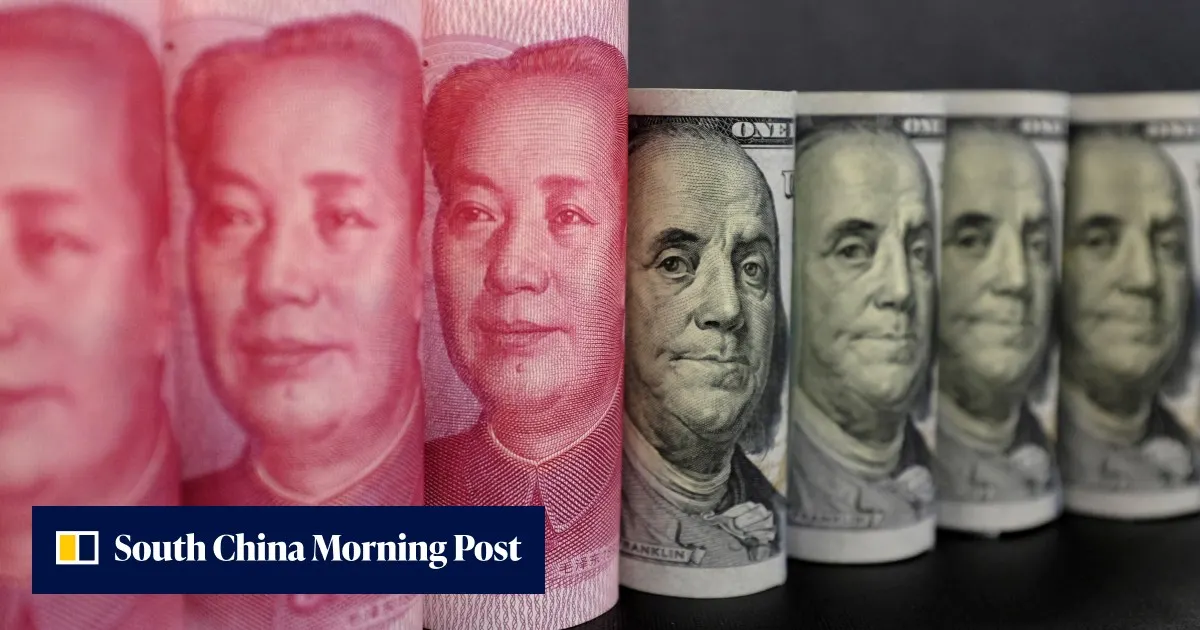
Chinese policymakers introduced measures this week to curb the yuan's rapid appreciation, which had driven capital inflows and raised concerns about exports. The PBOC has not intervened directly, but is easing outflow restrictions so Chinese investors can buy foreign currency, and the yuan reached its strongest level since June 2018.
Policy aimed at slowing yuan gains keeps Chinese import costs for dollar-priced feed ingredients from falling further and signals a shift in China's currency stance. Its effect on feed prices depends on whether the yuan keeps weakening.
 scmp.comFrank Tang6 Jan 2021
Setelah 31 peristiwa kebijakan bullish sebelumnya, Yuan Tiongkok (CNY per USD) bergerak median -0,2% selama 5 sesi (42% lebih tinggi; separuh tengah -0,4% sampai +0,3%), dan -0,1% selama 20 sesi.
Pergerakan benchmark setiap komoditas dari penutupan terakhir sebelum peristiwa. Pembacaan historis menggabungkan peristiwa serupa di masa lalu; itu menggambarkan apa yang terjadi, bukan apa yang akan terjadi. Bukan nasihat investasi.
