Memuat…
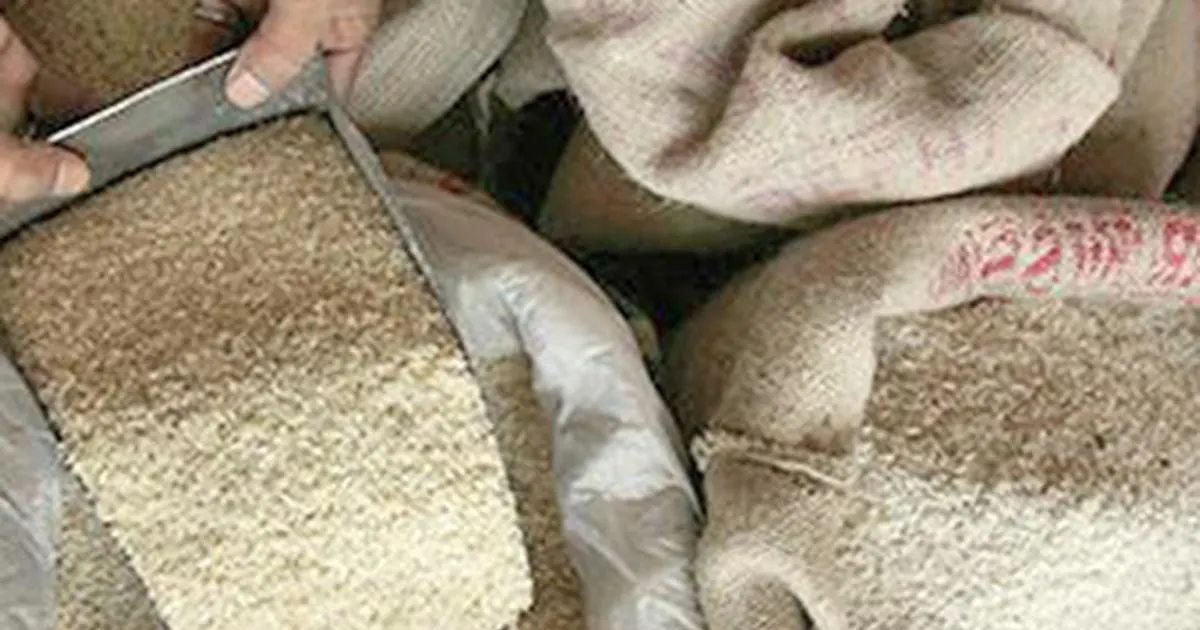
India said it will allow rice cargoes backed by letters of credit issued before September 9 to be shipped overseas, easing curbs imposed on September 8 that banned broken rice exports and added a 20% duty. The move frees roughly 1 million tonnes of rice trapped at ports and follows a notice allowing 600,000 tonnes of unmilled rice to Nepal.
Releasing stranded Indian rice supplies adds export availability to a market where India holds over 40% of global shipments, which pressures Asian export prices lower, though the duty and broader curbs keep the overall supply tight.
 thehindu.comReuters1 Nov 2022
Setelah 100 peristiwa kebijakan bearish sebelumnya, Gabah bergerak median -0,1% selama 5 sesi (49% lebih tinggi; separuh tengah -1,7% sampai +1,6%), dan +0,1% selama 20 sesi.
Pergerakan benchmark setiap komoditas dari penutupan terakhir sebelum peristiwa. Pembacaan historis menggabungkan peristiwa serupa di masa lalu; itu menggambarkan apa yang terjadi, bukan apa yang akan terjadi. Bukan nasihat investasi.
India easing curbs by releasing about 1 million tonnes of stranded rice cargoes on Nov 1 is a trade-flow change that could move global prices, though it would mostly be bearish for export prices and the direction versus the US rough rice rise is unclear.
