Memuat…
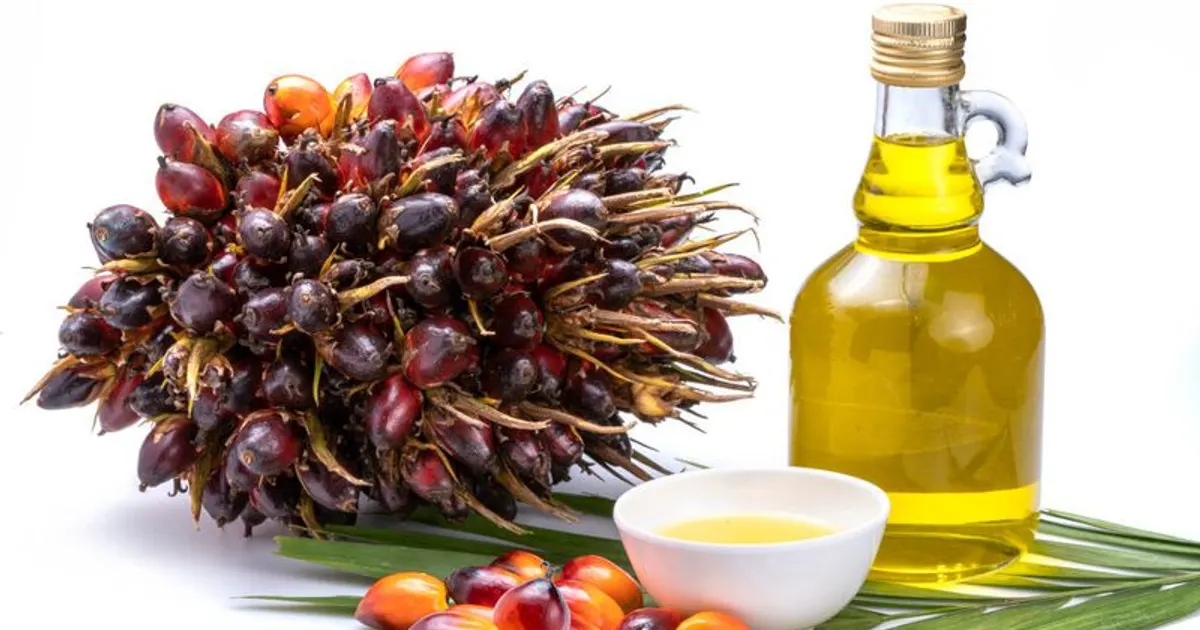
Indonesia tightened its palm oil export quota ratio to 1:4 from 1:6, cutting the amount exporters can ship relative to domestic sales. The trade ministry will also release about 3 million mt of frozen export permits gradually through January 2024, at roughly 336,000 mt per month.
Analysts estimate Indonesian supply could fall about 30% in the near term, which tightens global vegetable oil supply and supports palm and substitute oil prices. The phased release of held-back permits limits how far the squeeze will run.
 ukragroconsult.com28 Apr 2023
Setelah 548 peristiwa kebijakan bullish sebelumnya, Minyak Sawit bergerak median +0,4% selama 5 sesi (61% lebih tinggi; separuh tengah -0,7% sampai +2,1%), dan +0,9% selama 20 sesi.
Setelah 842 peristiwa kebijakan bullish sebelumnya, Minyak Kedelai bergerak median +0,2% selama 5 sesi (52% lebih tinggi; separuh tengah -1,6% sampai +2,1%), dan -0,5% selama 20 sesi.
Belum cukup peristiwa historis yang sebanding untuk analisis historis.
Pergerakan benchmark setiap komoditas dari penutupan terakhir sebelum peristiwa. Pembacaan historis menggabungkan peristiwa serupa di masa lalu; itu menggambarkan apa yang terjadi, bukan apa yang akan terjadi. Bukan nasihat investasi.
Indonesia's export quota ratio change and gradual release of about 3 million mt of frozen export permits raised expected export supply.
Indonesia's gradual release of frozen export permits and quota ratio change point to more palm oil supply reaching global markets, which is bearish for competing vegetable oils.
