Memuat…
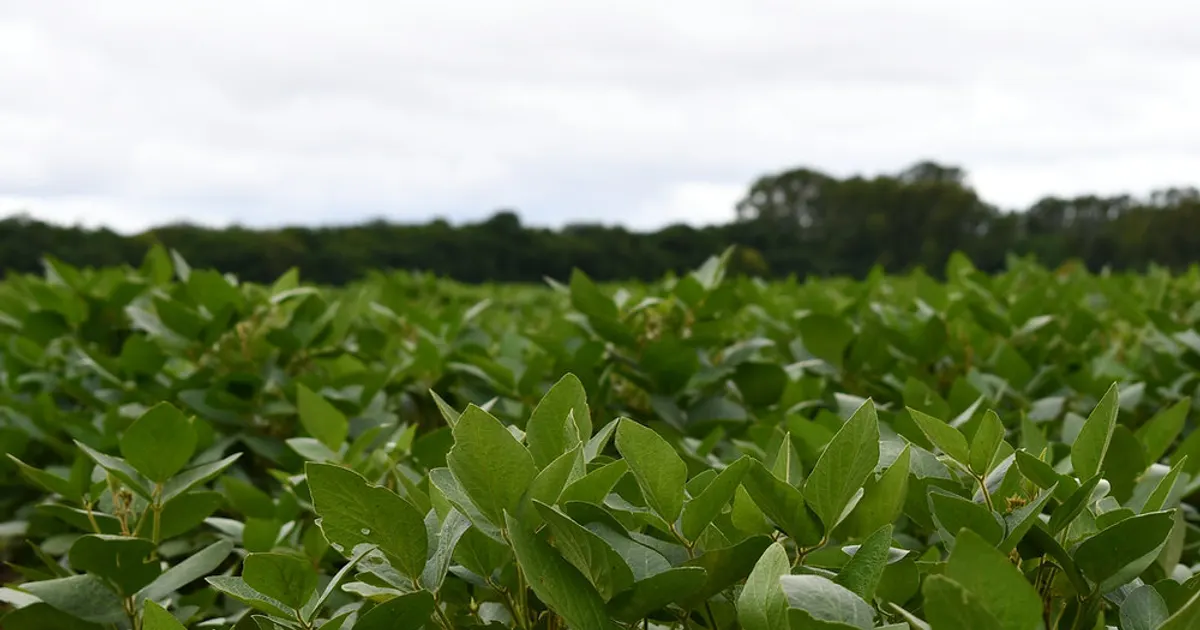
A North Dakota State University analysis finds that Chinese purchases of U.S. soybeans historically track the Brazil-U.S. landed price spread rather than political signals. The authors note that during the 2025 tariff period, U.S. exports to China fell when tariffs widened the U.S. price premium.
Chinese demand for U.S. beans depends on price competitiveness against Brazil, so purchases may stay tied to relative landed prices rather than the trade pledge. Traders should watch the Brazil-U.S. spread as a guide to future demand.
 capts-ndsu.comCAPTS NDSU5 Des 2025
Setelah 250 peristiwa perdagangan netral sebelumnya, Kedelai bergerak median +0,0% selama 5 sesi (50% lebih tinggi; separuh tengah -1,4% sampai +1,6%), dan -0,2% selama 20 sesi.
Pergerakan benchmark setiap komoditas dari penutupan terakhir sebelum peristiwa. Pembacaan historis menggabungkan peristiwa serupa di masa lalu; itu menggambarkan apa yang terjadi, bukan apa yang akan terjadi. Bukan nasihat investasi.
