Memuat…
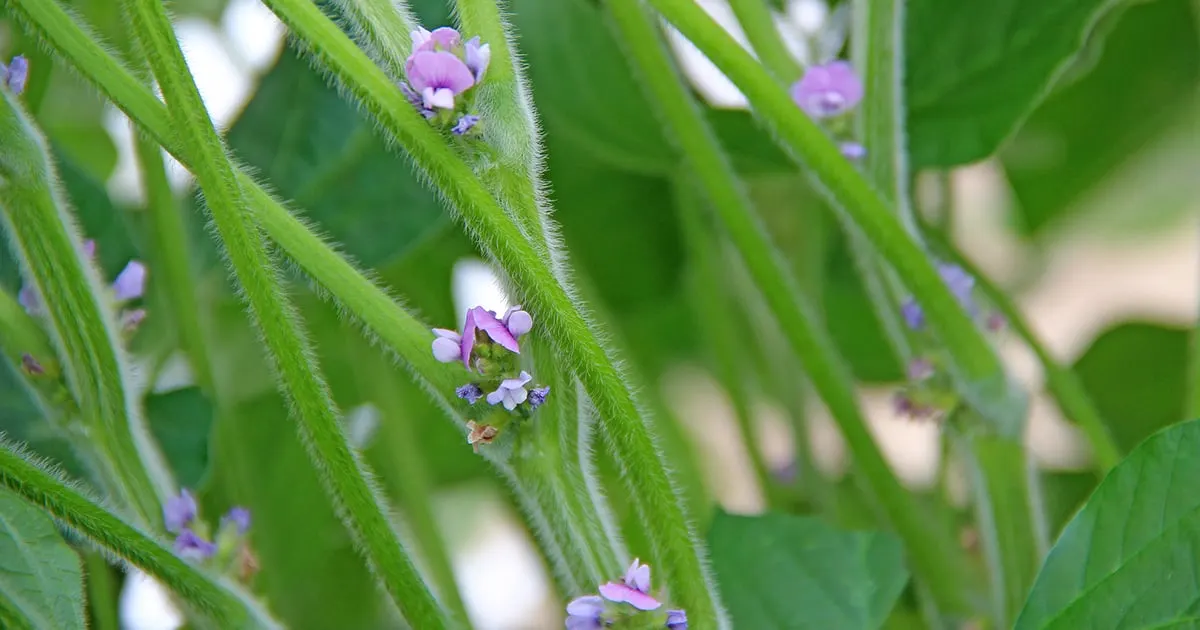
Farm Press reported that high temperatures and dry weather in the Midwest could hinder crop development. NASS cut its 2022 soybean acreage forecast to 88.3 million acres from 91 million in March, a larger drop than expected, and North Dakota farmers could not plant an estimated 1.1 million acres of soybeans due to flooding.
A smaller-than-expected soybean area combined with heat risk tightens supply expectations, supporting soybean and soybean meal prices.
 farmprogress.comForrest Laws25 Jul 2022
Setelah 1.079 peristiwa cuaca bullish sebelumnya, Kedelai bergerak median +0,3% selama 5 sesi (54% lebih tinggi; separuh tengah -1,4% sampai +2,0%), dan +0,9% selama 20 sesi.
Setelah 453 peristiwa cuaca bullish sebelumnya, Bungkil Kedelai bergerak median +0,5% selama 5 sesi (55% lebih tinggi; separuh tengah -1,6% sampai +2,7%), dan +0,5% selama 20 sesi.
Setelah 445 peristiwa cuaca netral sebelumnya, Jagung bergerak median +0,1% selama 5 sesi (52% lebih tinggi; separuh tengah -1,4% sampai +1,6%), dan +0,7% selama 20 sesi.
Pergerakan benchmark setiap komoditas dari penutupan terakhir sebelum peristiwa. Pembacaan historis menggabungkan peristiwa serupa di masa lalu; itu menggambarkan apa yang terjadi, bukan apa yang akan terjadi. Bukan nasihat investasi.
NASS cut soybean acreage well below expectations while heat and dryness threatened crop development, tightening supply expectations.
Heat and dryness in the Midwest and a larger-than-expected cut in soybean acreage tightened expected US supply.
