Memuat…
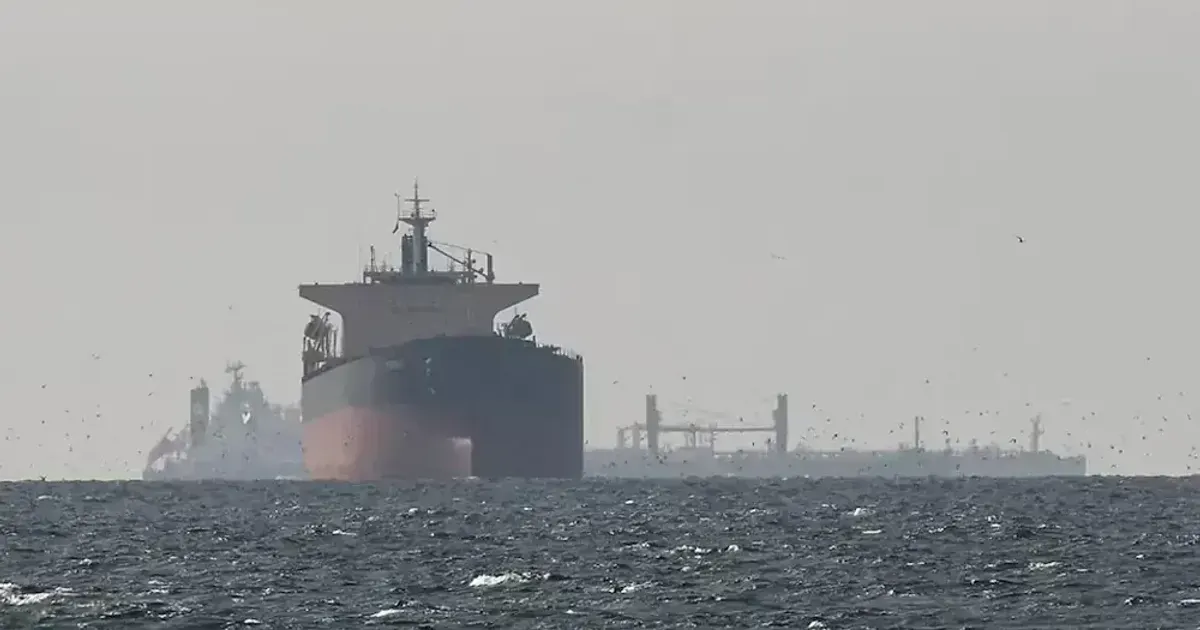
Physical crude prices in the Middle East, Europe and Africa jumped to two-month highs, with some cargoes nearing $110 a barrel. Dated Brent hit $105.70 on Thursday, its highest since late May and first breach of $100 since early June, and North Sea Forties reached $108.77 on Friday.
The moves followed Houthi attacks on Red Sea tankers, the collapse of a preliminary US-Iran peace deal, Hormuz export disruption and Ukrainian strikes that cut Kazakh output.
Higher crude raises diesel and freight costs and pushes up energy-linked feed inputs, while rerouted tankers add shipping cost and time. Vegetable oil and biofuel demand may firm as crude rises, supporting soybean oil and palm oil prices.
 brecorder.comReuters24 Jul 2026
Setelah 656 peristiwa geopolitik bullish sebelumnya, Minyak Mentah (Brent) bergerak median +1,9% selama 5 sesi (63% lebih tinggi; separuh tengah -2,7% sampai +6,6%), dan +0,7% selama 20 sesi.
Setelah 626 peristiwa geopolitik bullish sebelumnya, Minyak Mentah (WTI) bergerak median +2,1% selama 5 sesi (62% lebih tinggi; separuh tengah -2,3% sampai +8,5%), dan +1,6% selama 20 sesi.
Setelah 250 peristiwa geopolitik bullish sebelumnya, ULSD / Solar bergerak median +1,7% selama 5 sesi (58% lebih tinggi; separuh tengah -3,6% sampai +8,7%), dan +0,9% selama 20 sesi.
Belum cukup peristiwa historis yang sebanding untuk analisis historis.
Pergerakan benchmark setiap komoditas dari penutupan terakhir sebelum peristiwa. Pembacaan historis menggabungkan peristiwa serupa di masa lalu; itu menggambarkan apa yang terjadi, bukan apa yang akan terjadi. Bukan nasihat investasi.
Physical crude prices surged with Dated Brent at $105.70 on the collapse of the US-Iran peace deal, Hormuz disruption and Kazakh output cuts, corroborating tight supply, though it is dated after the window ends.
Physical prices and Dated Brent surged on the same Red Sea and Hormuz disruptions plus the collapsed peace deal, confirming the tightness, though it was published a day later.
