Chargement…
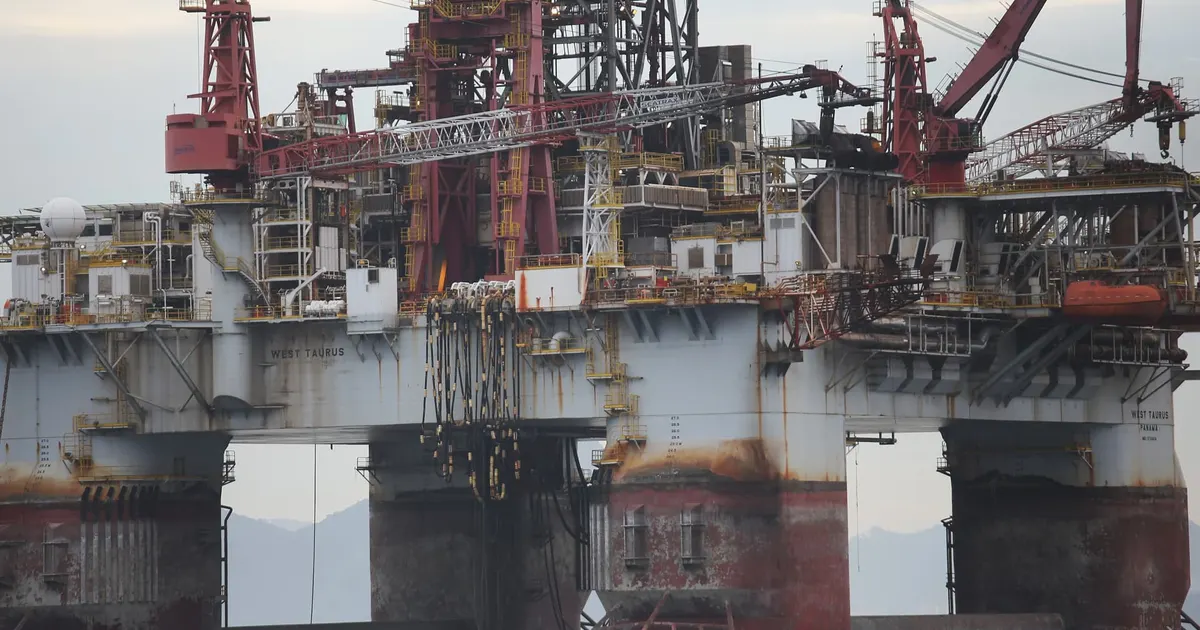
Oil fell about 5.7% on May 22, 2019, with WTI settling at $57.91, its lowest close since March 12. Brent fell to $67.64 intraday.
Losses were driven by expectations of a prolonged US-China trade war and weak manufacturing data from Japan, Germany and the EU, while easing Middle East tensions added pressure.
Expectations of weaker global growth and fuel demand push crude lower, which in turn lowers energy input costs and reduces support for biofuel-linked feedstocks.
 cnbc.comTom DiChristopher23 mai 2019
Après 80 événements commerce baissier passés, Pétrole brut (WTI) a varié en médiane de -2,2 % sur 5 séances (30 % de hausses ; moitié centrale de -6,9 % à +0,8 %), et de -1,5 % sur 20.
Après 56 événements commerce baissier passés, Pétrole brut (Brent) a varié en médiane de -5,6 % sur 5 séances (20 % de hausses ; moitié centrale de -9,0 % à -1,7 %), et de -4,5 % sur 20.
Variations du benchmark de chaque matière depuis la dernière clôture avant l'événement. Les lectures historiques regroupent les événements passés de même nature ; elles décrivent ce qui s'est passé, pas ce qui arrivera. Ceci n'est pas un conseil en investissement.
Describes the May 22 WTI drop (settling $57.91) driven by a prolonged US-China trade war outlook and weak global manufacturing data, matching the move's date and size.
Describes the same selloff on trade war expectations and weak global manufacturing, though its dating is inconsistent.
