Chargement…
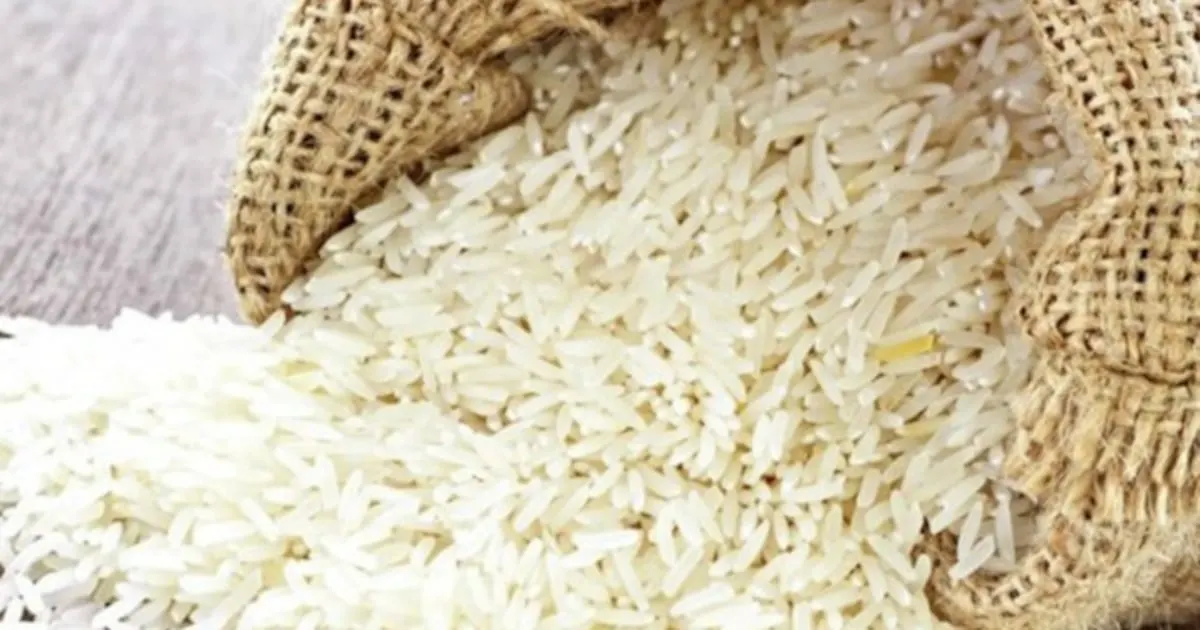
Lockdowns and trade barriers across Asia during COVID-19 have created supply and price volatility for rice. Vietnam imposed a rice export ban in March and Cambodia halted exports except for fragrant rice, though Vietnam later reopened exports and accepted contracts for 400,000 tons.
Export restrictions from major Asian suppliers tighten global rice availability and push prices up, with importers and panic buyers adding to demand pressure.
 foodnavigator.comPearly Neo22 avr. 2020
Après 168 événements politique haussier passés, Riz paddy a varié en médiane de +0,8 % sur 5 séances (57 % de hausses ; moitié centrale de -1,7 % à +2,1 %), et de -0,4 % sur 20.
Variations du benchmark de chaque matière depuis la dernière clôture avant l'événement. Les lectures historiques regroupent les événements passés de même nature ; elles décrivent ce qui s'est passé, pas ce qui arrivera. Ceci n'est pas un conseil en investissement.
Asian export restrictions (Vietnam ban, Cambodia halt) in the weeks before tightened global rice supply and supported a rally in futures, though Vietnam's reopening of exports is a partial offset.
Export bans and restrictions in Vietnam and Cambodia tightened Asian rice supply and fed price volatility, supporting a rally in rough rice.
Asian export restrictions and supply and price volatility from Vietnam and Cambodia tighten global rice trade flows and can support US rough rice futures.
Same-day coverage of Asian export bans and supply/price volatility supports a trade-flow-driven rally in rice prices.
