Chargement…
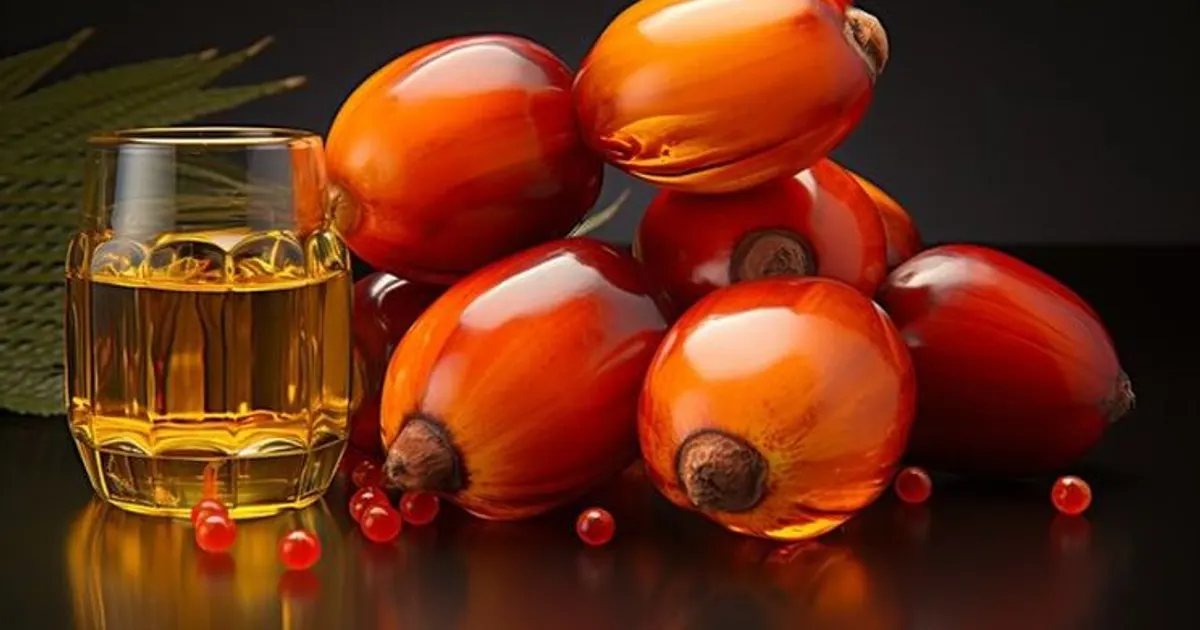
Palm oil futures in Kuala Lumpur rose as much as 2.6% to 4,500 ringgit a metric ton on October 23, the highest since July 2022, with the year-to-date rally above 20%. Indonesian output may reach only 51 million tonnes this year, down from 54.8 million in 2023, due to lingering El Niño impacts and aging, slow-to-replant plantations.
Palm has also traded at a rare premium to soyoil.
Persistent supply shortfalls in the two largest producers keep vegetable oil prices firm, adding to feed and food cost pressure. The premium over soyoil may also shift buyers toward soy-based alternatives.
 ukragroconsult.com24 oct. 2024
Après 181 événements météo haussier passés, Huile de palme a varié en médiane de +0,5 % sur 5 séances (56 % de hausses ; moitié centrale de -0,9 % à +1,9 %), et de +0,3 % sur 20.
Variations du benchmark de chaque matière depuis la dernière clôture avant l'événement. Les lectures historiques regroupent les événements passés de même nature ; elles décrivent ce qui s'est passé, pas ce qui arrivera. Ceci n'est pas un conseil en investissement.
Lower Indonesian output expected due to El Niño and aging trees, plus a palm premium over soyoil, signal supply tightness supporting the rally.
