Cargando…
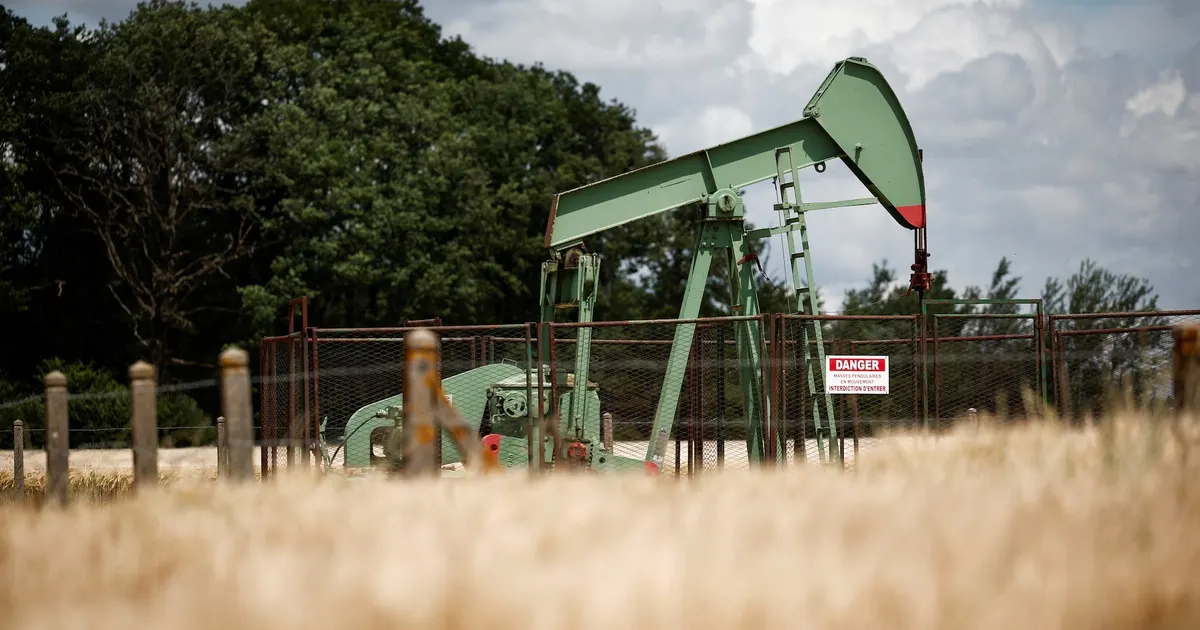
Oil settled down more than 7% on Monday after Iran avoided disrupting Strait of Hormuz tanker traffic and instead attacked a U.S. base in Qatar. Brent closed down $5.53 at $71.48 a barrel, its steepest one-day drop since August 2022.
A large drop in crude removes the Gulf supply-disruption premium, sharply lowering diesel and energy input costs for feed producers.
 reuters.comArathy Somasekhar23 jun 2025
Tras 250 eventos bajista de geopolítica pasados, Petróleo crudo (Brent) se movió una mediana de -3,1 % en 5 sesiones (36% al alza; mitad central entre -7,9 % y +1,6 %), y -5,5 % en 20.
Tras 255 eventos bajista de geopolítica pasados, Petróleo crudo (WTI) se movió una mediana de -2,4 % en 5 sesiones (31% al alza; mitad central entre -7,0 % y +1,7 %), y -5,0 % en 20.
Tras 51 eventos bajista de geopolítica pasados, ULSD / Diésel se movió una mediana de -2,4 % en 5 sesiones (37% al alza; mitad central entre -8,2 % y +3,9 %), y -2,3 % en 20.
Variaciones de la referencia de cada materia prima desde el último cierre antes del evento. Las lecturas históricas agrupan eventos pasados del mismo tipo; describen lo ocurrido, no lo que ocurrirá. No es asesoramiento de inversión.
Brent closed down $5.53 to $71.48 on June 23 after Iran's attack on a US base in Qatar left Hormuz tanker traffic untouched, which removed the supply-risk premium and caused the move.
Brent fell $5.53 (over 7%) on June 23 as Iran's retaliation spared tankers and Hormuz flows, removing the supply-disruption premium that drove the 5-day drop.
Brent fell $5.53 to $71.48 on June 23, its steepest one-day drop since 2022, after Iran's retaliation spared tankers and Hormuz, removing the supply risk premium; this was the largest single-day contributor to the 5-day decline.
