Cargando…
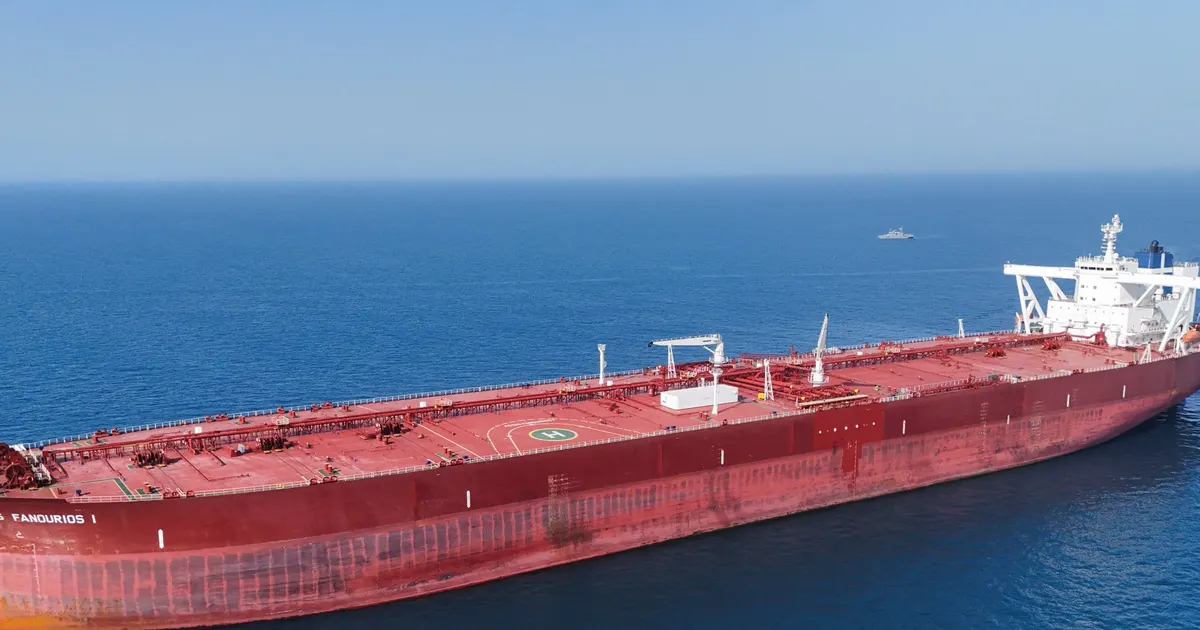
Brent fell more than 9% to $90.38 on Friday after Iran said the Strait of Hormuz was open during a Lebanon ceasefire. On Saturday Iran reversed the decision, saying it would block transit while the US blockade of its ports continued.
Trump said the blockade would stay in force until a broader deal was reached.
The reversal revives supply risk, so crude prices are likely to rebound from their recent lows. Renewed uncertainty keeps energy and fertilizer costs elevated for feed makers.
 aljazeera.comJohn Power18 abr 2026
Tras 656 eventos alcista de geopolítica pasados, Petróleo crudo (Brent) se movió una mediana de +1,9 % en 5 sesiones (63% al alza; mitad central entre -2,7 % y +6,6 %), y +0,7 % en 20.
Tras 626 eventos alcista de geopolítica pasados, Petróleo crudo (WTI) se movió una mediana de +2,1 % en 5 sesiones (62% al alza; mitad central entre -2,3 % y +8,5 %), y +1,6 % en 20.
Tras 250 eventos alcista de geopolítica pasados, ULSD / Diésel se movió una mediana de +1,7 % en 5 sesiones (58% al alza; mitad central entre -3,6 % y +8,7 %), y +0,9 % en 20.
Variaciones de la referencia de cada materia prima desde el último cierre antes del evento. Las lecturas históricas agrupan eventos pasados del mismo tipo; describen lo ocurrido, no lo que ocurrirá. No es asesoramiento de inversión.
Iran reversing the Hormuz opening on April 18 and the US blockade staying in force renewed supply fears, a plausible driver of a rebound in WTI after the April 17 plunge.
Documents the Friday plunge to $90.38 and the weekend reversal by Iran, giving context for the move and for risk of rebound.
