Cargando…
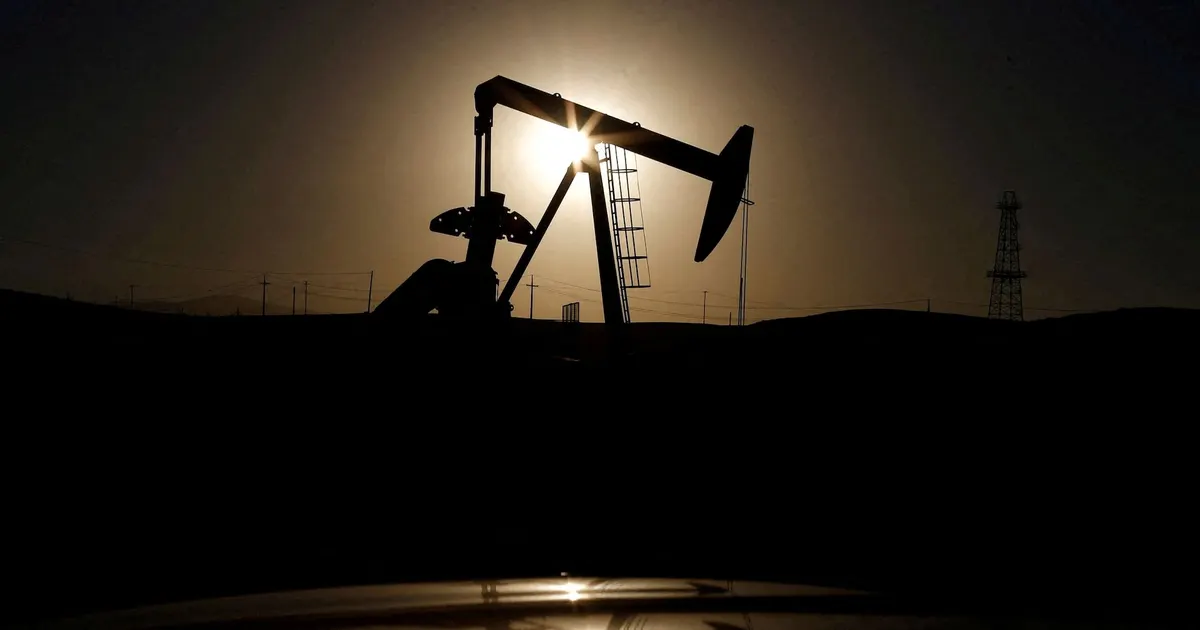
Oil prices rose 8% on Thursday, March 17, 2022, recovering from several days of losses. The rebound reflected renewed concern about supply shortages in the coming weeks because of sanctions on Russia, the world's second-largest crude exporter.
Sanctions-driven supply fears lift crude prices, which raise diesel, freight and fertilizer costs for feed producers and support biofuel-linked feedstocks such as soybean oil and corn.
 cnbc.comReuters17 mar 2022
 reuters.comArathy Somasekhar17 mar 2022
Tras 626 eventos alcista de geopolítica pasados, Petróleo crudo (WTI) se movió una mediana de +2,1 % en 5 sesiones (62% al alza; mitad central entre -2,3 % y +8,5 %), y +1,6 % en 20.
Tras 656 eventos alcista de geopolítica pasados, Petróleo crudo (Brent) se movió una mediana de +1,9 % en 5 sesiones (63% al alza; mitad central entre -2,7 % y +6,6 %), y +0,7 % en 20.
Tras 250 eventos alcista de geopolítica pasados, ULSD / Diésel se movió una mediana de +1,7 % en 5 sesiones (58% al alza; mitad central entre -3,6 % y +8,7 %), y +0,9 % en 20.
Variaciones de la referencia de cada materia prima desde el último cierre antes del evento. Las lecturas históricas agrupan eventos pasados del mismo tipo; describen lo ocurrido, no lo que ocurrirá. No es asesoramiento de inversión.
Oil rose 8% on March 17 on renewed fears of Russian supply shortages from sanctions, driving the rebound in ULSD during the window.
The 8% rebound on March 17 on renewed Russian supply-shortage fears began the recovery from the March 15-16 low, lifting the 5-day change.
The 8% rebound on March 17 on Russian supply shortage concerns raised the base from which the later gains were measured and signalled the upward momentum.
