Cargando…
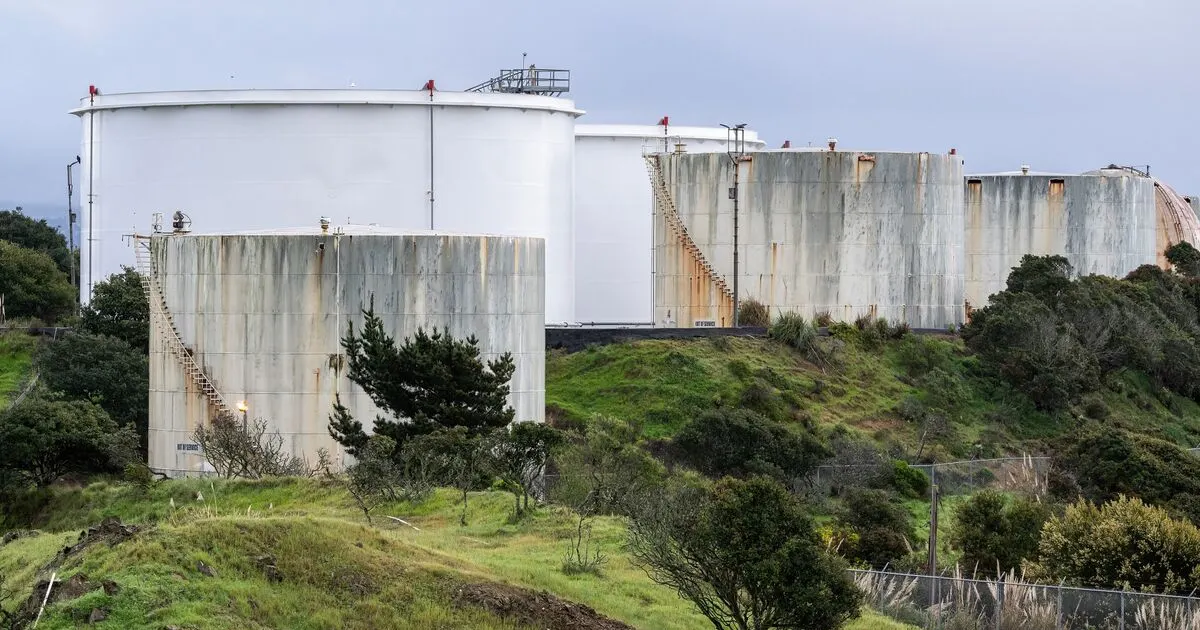
Brent crude settled up sharply, rising about 9.7% to $95.73 and trading above $100 as multiple vessel attacks across the Arabian Gulf widened Iran's maritime disruption beyond the Strait of Hormuz. The move marked the highest level in almost a long stretch.
Disruption to Gulf tanker traffic tightens crude supply and lifts energy costs, which raises biofuel feedstock values and pushes up freight and fuel expenses for feed producers. Higher energy prices also tend to support soybean oil and vegetable oil prices.
 bloomberg.comMia Gindis, Charles Gorrivan12 mar 2026
Tras 656 eventos alcista de geopolítica pasados, Petróleo crudo (Brent) se movió una mediana de +1,9 % en 5 sesiones (63% al alza; mitad central entre -2,7 % y +6,6 %), y +0,7 % en 20.
Tras 626 eventos alcista de geopolítica pasados, Petróleo crudo (WTI) se movió una mediana de +2,1 % en 5 sesiones (62% al alza; mitad central entre -2,3 % y +8,5 %), y +1,6 % en 20.
Tras 250 eventos alcista de geopolítica pasados, ULSD / Diésel se movió una mediana de +1,7 % en 5 sesiones (58% al alza; mitad central entre -3,6 % y +8,7 %), y +0,9 % en 20.
Tras 110 eventos alcista de geopolítica pasados, Aceite de soja se movió una mediana de +1,8 % en 5 sesiones (65% al alza; mitad central entre -0,7 % y +3,6 %), y -0,4 % en 20.
Variaciones de la referencia de cada materia prima desde el último cierre antes del evento. Las lecturas históricas agrupan eventos pasados del mismo tipo; describen lo ocurrido, no lo que ocurrirá. No es asesoramiento de inversión.
Same-day Brent surge of about 9.7% to $95.73 as vessel attacks widened the Gulf maritime disruption beyond Hormuz, directly explaining the move.
Brent rose ~9.7% to $95.73 and traded above $100 on March 12 as vessel attacks widened the Gulf disruption, directly adding to the 5-day gain.
Brent topped $100 on Mar 12 as vessel attacks widened the maritime disruption beyond Hormuz, raising crude and diesel costs in the window.
Brent rose about 9.7% and topped $100 on March 12 as vessel attacks widened the Gulf disruption, a direct crude input to ULSD.
