Cargando…
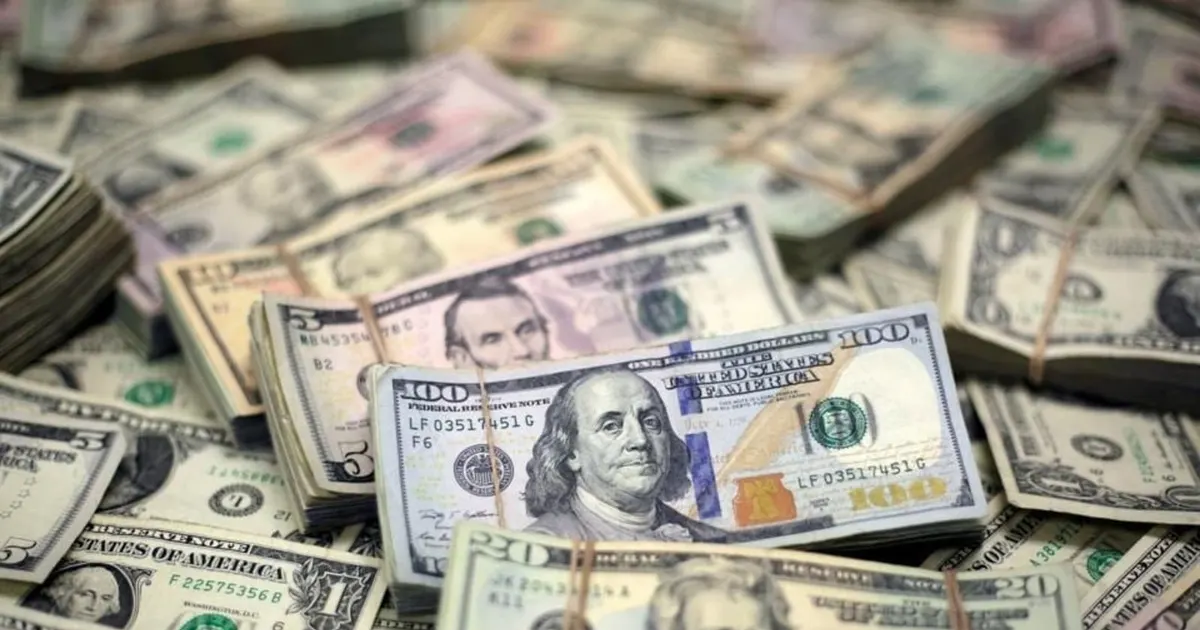
The Bloomberg Dollar Index rose as much as 1.4% on Thursday, its largest intraday gain in nearly two years, as Russia's invasion of Ukraine drove haven demand. The euro fell as much as 1.8% to 1.1106, and Scandinavian currencies declined at least 1%.
A sharp dollar rally raises dollar-denominated feed import costs for buyers outside the US and can weigh on US export prices. The effect is a currency-driven shift rather than a physical supply change.
 hindustantimes.comBloomberg24 feb 2022
Tras 89 eventos alcista de geopolítica pasados, Dólar estadounidense (amplio) se movió una mediana de +0,5 % en 5 sesiones (74% al alza; mitad central entre -0,0 % y +1,0 %), y +0,3 % en 20.
Tras 36 eventos bajista de geopolítica pasados, Euro (USD por EUR) se movió una mediana de -1,0 % en 5 sesiones (22% al alza; mitad central entre -1,8 % y -0,3 %), y -0,7 % en 20.
Variaciones de la referencia de cada materia prima desde el último cierre antes del evento. Las lecturas históricas agrupan eventos pasados del mismo tipo; describen lo ocurrido, no lo que ocurrirá. No es asesoramiento de inversión.
Reports broad G-10 currency weakness and a 1.4% Bloomberg Dollar Index rise on haven demand, with the euro down sharply on 24 Feb.
Same-day report of the Bloomberg Dollar Index's largest rally since 2020 (up to 1.4%) with G-10 and Scandinavian currencies falling on haven demand.
Report of the Bloomberg Dollar Index's 1.4% jump and the euro's 1.8% drop to 1.1106 on safe-haven flows after the invasion directly explains the sharp euro move.
