Cargando…
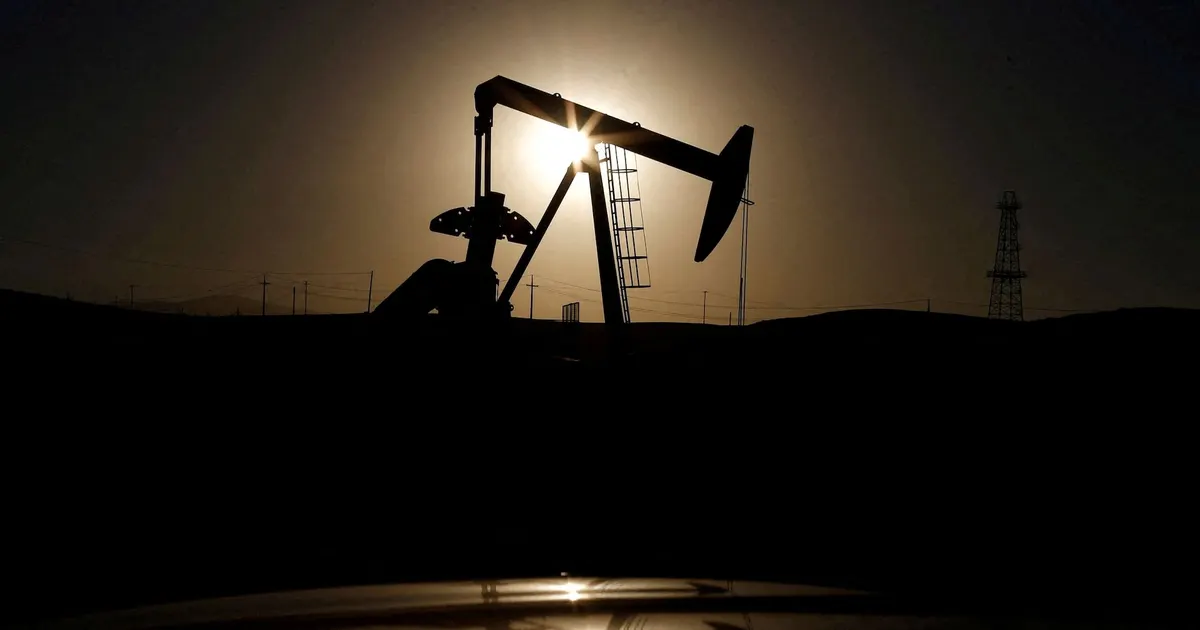
Oil prices spiked and then crashed in March 2022, driven by medium-term fundamentals, strain from disruption to Russian oil exports, and thin market liquidity. The short-term trigger for the sell-off was improved prospects for a truce between Russia and Ukraine.
Extreme crude volatility transmits directly into diesel and energy costs for feed mills and farms, and a Russia-Ukraine truce would ease supply fears that had supported grain and oilseed prices.
 reuters.comJohn Kemp17 mar 2022
Tras 255 eventos bajista de geopolítica pasados, Petróleo crudo (WTI) se movió una mediana de -2,4 % en 5 sesiones (31% al alza; mitad central entre -7,0 % y +1,7 %), y -5,0 % en 20.
Tras 250 eventos bajista de geopolítica pasados, Petróleo crudo (Brent) se movió una mediana de -3,1 % en 5 sesiones (36% al alza; mitad central entre -7,9 % y +1,6 %), y -5,5 % en 20.
Tras 51 eventos bajista de geopolítica pasados, ULSD / Diésel se movió una mediana de -2,4 % en 5 sesiones (37% al alza; mitad central entre -8,2 % y +3,9 %), y -2,3 % en 20.
Variaciones de la referencia de cada materia prima desde el último cierre antes del evento. Las lecturas históricas agrupan eventos pasados del mismo tipo; describen lo ocurrido, no lo que ocurrirá. No es asesoramiento de inversión.
The sell-off was triggered by improved truce prospects and aggravated by thin liquidity, explaining the sharp collapse.
Explains the crash as unwinding of a spike on thin liquidity, with improved truce prospects as the trigger.
The sell-off was attributed to improved truce prospects and thin liquidity, which amplified the downward move.
The mid-March sell-off on truce hopes created the depressed starting level, so the following rebound was large in percentage terms.
