Cargando…
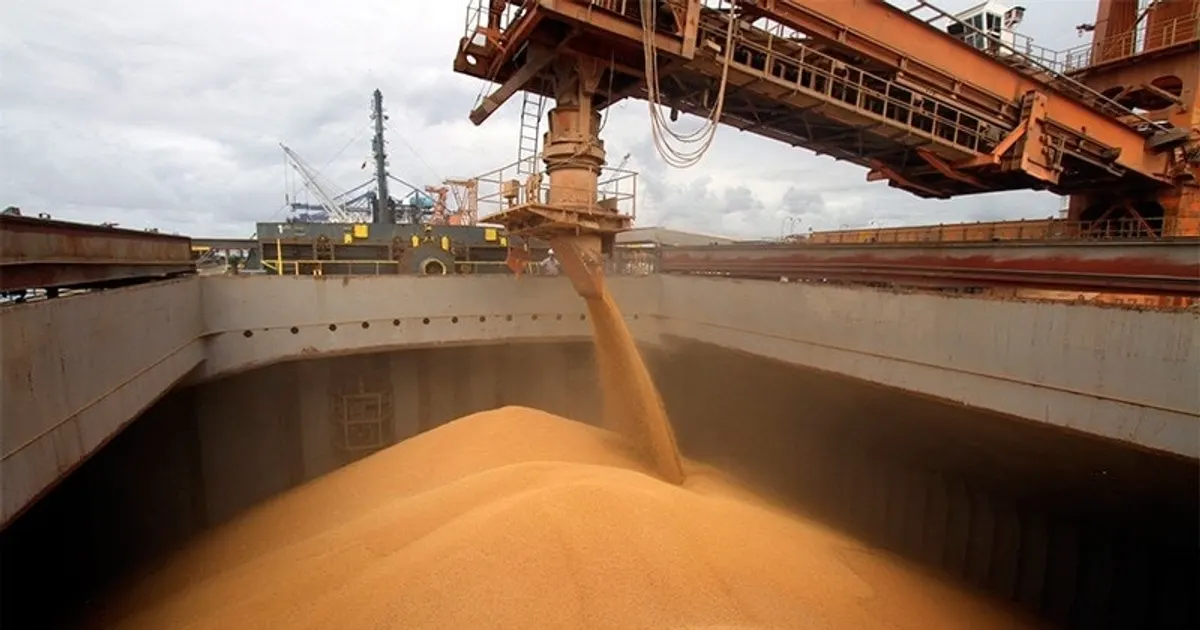
Argentina's grain receivers union Urgara announced a port work stoppage from March 19 to March 25, arguing grain classification is not essential under the COVID-19 isolation decree. Business chambers warned the strike could jeopardize loading of 18 ships carrying about 2.2 million tonnes of grain, and a mandatory conciliation by the Labor Ministry was expected.
Disrupted port loadings delay Argentine soybean, meal and corn export flows, tightening nearby supplies and supporting meal and oil prices while shipments are held up.
 aduananews.comAduanaNews21 mar 2020
Tras 167 eventos alcista de logística pasados, Harina de soja se movió una mediana de +0,5 % en 5 sesiones (54% al alza; mitad central entre -1,8 % y +2,9 %), y -1,2 % en 20.
Tras 206 eventos alcista de logística pasados, Soja se movió una mediana de +0,5 % en 5 sesiones (56% al alza; mitad central entre -1,3 % y +2,6 %), y +1,4 % en 20.
Tras 285 eventos alcista de logística pasados, Maíz se movió una mediana de +0,1 % en 5 sesiones (52% al alza; mitad central entre -1,5 % y +1,5 %), y +0,8 % en 20.
Variaciones de la referencia de cada materia prima desde el último cierre antes del evento. Las lecturas históricas agrupan eventos pasados del mismo tipo; describen lo ocurrido, no lo que ocurrirá. No es asesoramiento de inversión.
Argentine port grain receivers' strike (Mar 19-25) put loading of 18 ships and 2.2 Mt at risk, tightening soymeal export supply.
The Argentine port strike threatened loading of 18 ships carrying about 2.2 million tonnes of grain, which would cut the supply reaching export markets and support US soybean prices.
Argentine grain receivers' port strike from March 19 threatened loading of 18 ships, which implies tighter soymeal export supply from the world's top exporter and supports prices.
The Argentine port strike was set to end March 25 with mandatory conciliation expected, so easing supply fears could remove the premium.
