Lädt…
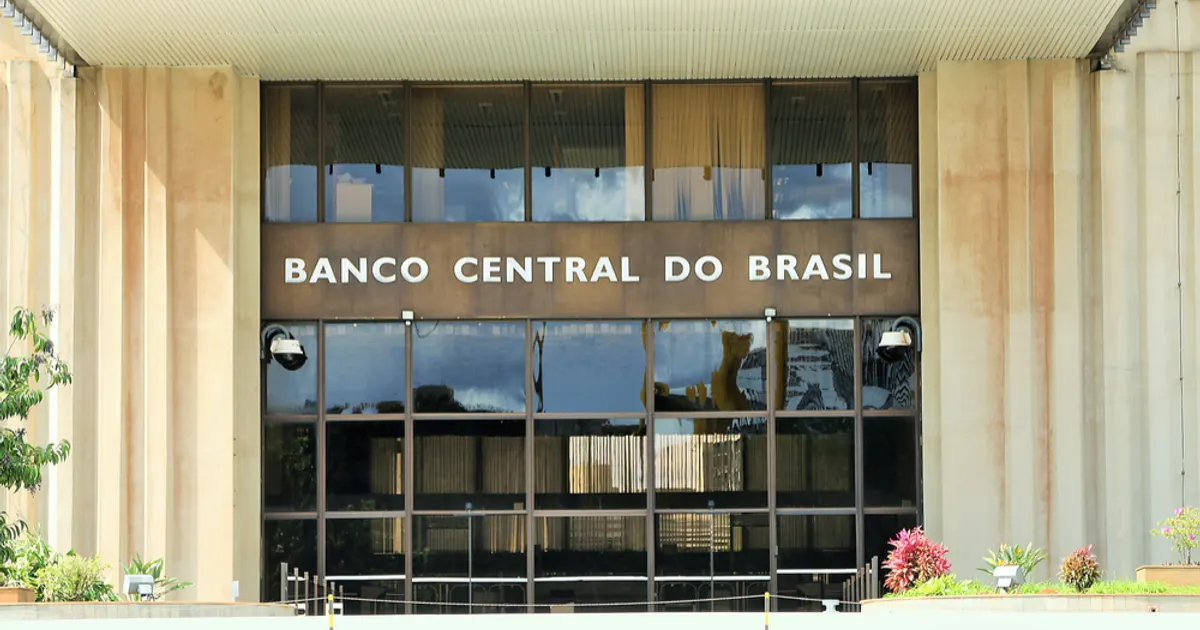
Brazil's central bank kept the Selic rate at 6.50% at its 16 May meeting, ending a run of twelve consecutive cuts, against consensus expectations of a 25 bps cut. The decision followed a sharp 12% fall in the real against the dollar since March, which shifted the balance of risks toward higher inflation.
The bank signaled the rate would be held steady, marking the end of the easing cycle.
A halt to rate cuts and a weaker real raise Brazil's domestic inflation risk and make Brazilian export origin cheaper in dollar terms, which weighs on world feed prices. Higher domestic borrowing costs could also slow Brazilian livestock and feed-using sectors.
 latribune.lazardfreresgestion.frLazard Freres Gestion22.05.2018
Nach 301 vergangenen Ereignisse (bullisch, Makro) bewegte sich Brasilianischer Real (BRL pro USD) im Median über 5 Handelstage um +0,4 % (57% höher; mittlere Hälfte -1,2 % bis +1,7 %) und über 20 Handelstage um +1,0 %.
Veränderungen des Benchmarks jedes Rohstoffs seit dem letzten Schluss vor dem Ereignis. Historische Werte bündeln frühere Ereignisse derselben Art; sie beschreiben, was passiert ist, nicht was passieren wird. Keine Anlageberatung.
