Lädt…
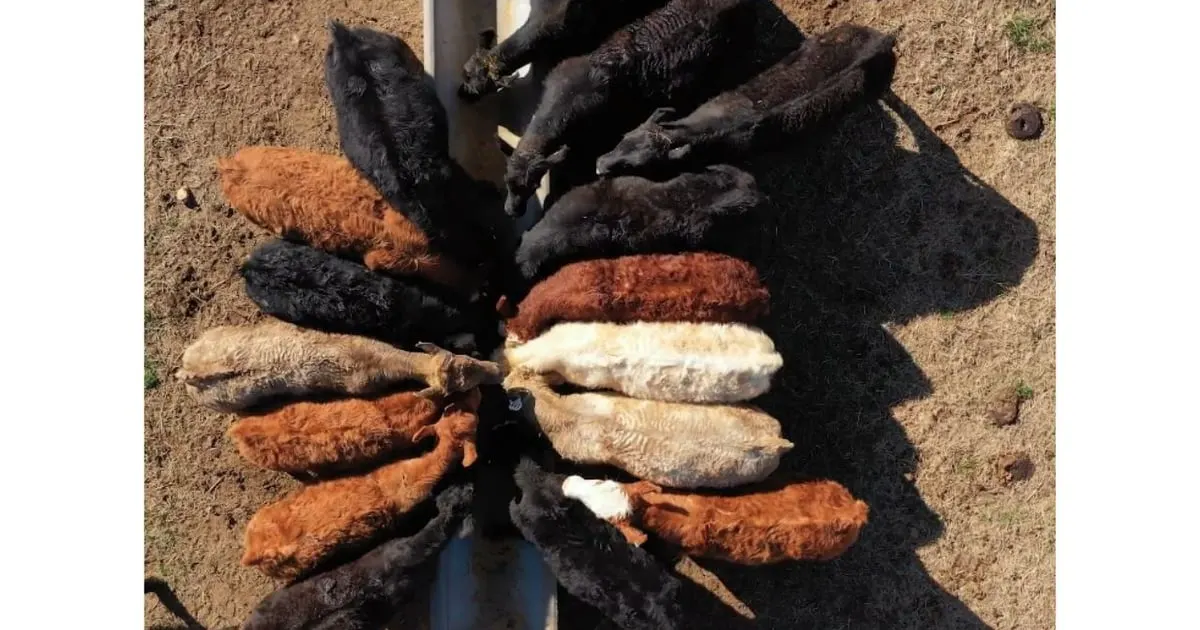
Live cattle futures fell after the Trump administration proposed expanding the tariff rate quota on Argentinian beef from 20,000 to 80,000 metric tons, and talks surfaced of easing feeder cattle import restrictions from Mexico. The USDA projected US beef imports at 5.4 billion pounds, about 18 percent of consumption.
Expanded import access and possible reopening of Mexican feeder cattle imports add supply expectations that pressure cattle futures, even though the Argentine volume is small relative to the US market.
 beefmagazine.comUniversity of Arkansas03.11.2025
Nach 121 vergangenen Ereignisse (bearisch, Handel) bewegte sich Lebendrinder im Median über 5 Handelstage um -0,6 % (40% höher; mittlere Hälfte -1,6 % bis +0,8 %) und über 20 Handelstage um -0,3 %.
Nach 87 vergangenen Ereignisse (bearisch, Handel) bewegte sich Mastrinder (Feeder) im Median über 5 Handelstage um +0,4 % (54% höher; mittlere Hälfte -3,2 % bis +1,9 %) und über 20 Handelstage um +1,1 %.
Veränderungen des Benchmarks jedes Rohstoffs seit dem letzten Schluss vor dem Ereignis. Historische Werte bündeln frühere Ereignisse derselben Art; sie beschreiben, was passiert ist, nicht was passieren wird. Keine Anlageberatung.
Dated 2025-11-03, it describes the proposed Argentine beef TRQ expansion and talk of easing Mexican feeder imports, which raise supply expectations and sentiment pressure on live cattle.
Proposed Argentine tariff-rate quota expansion and Mexican feeder import easing raised expected supply, weighing on futures around Nov 3.
The proposed Argentine tariff-rate quota expansion and Mexican feeder import easing talk pressured cattle futures during the window.
