Lädt…
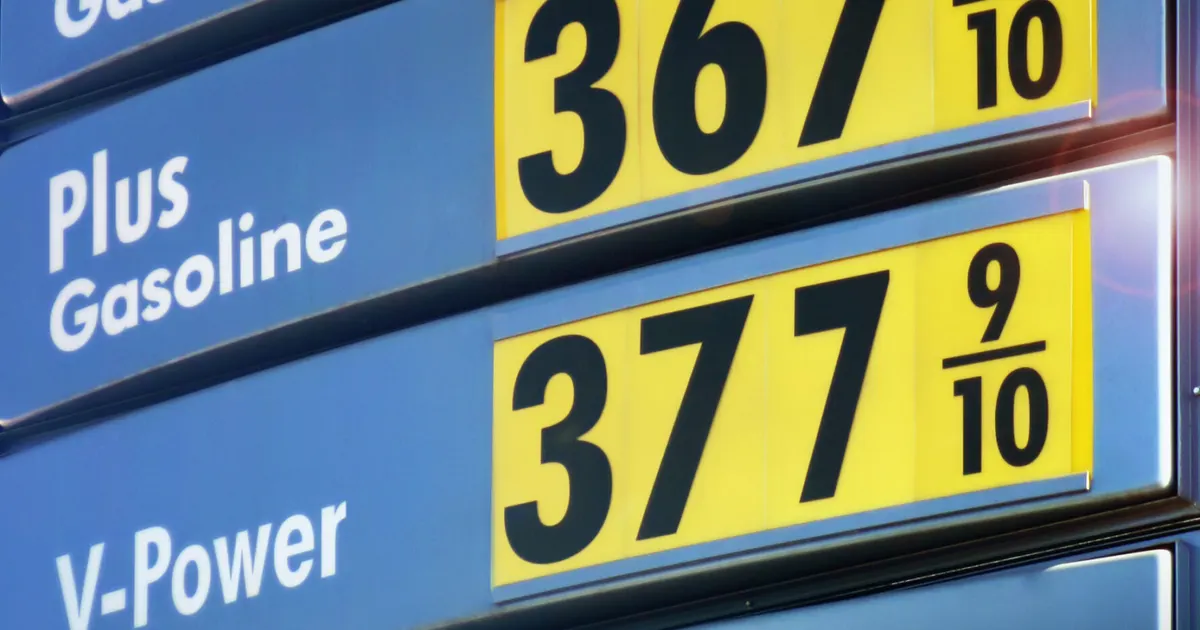
Oil and diesel futures spiked on Friday after Israel attacked Iran, though no Iranian oil facilities were reported hit. ULSD settled up 7.77% at $2.3587/gallon, its highest since February 27, while Brent rose about 7% to $74.23/bbl.
The conflict raises the risk of a Strait of Hormuz disruption, which would tighten global crude and diesel supply and push up energy and fuel-related costs.
 freightwaves.comJohn Kingston13.06.2025
Nach 250 vergangenen Ereignisse (bullisch, Geopolitik) bewegte sich ULSD / Diesel im Median über 5 Handelstage um +1,7 % (58% höher; mittlere Hälfte -3,6 % bis +8,7 %) und über 20 Handelstage um +0,9 %.
Nach 656 vergangenen Ereignisse (bullisch, Geopolitik) bewegte sich Rohöl (Brent) im Median über 5 Handelstage um +1,9 % (63% höher; mittlere Hälfte -2,7 % bis +6,6 %) und über 20 Handelstage um +0,7 %.
Nach 626 vergangenen Ereignisse (bullisch, Geopolitik) bewegte sich Rohöl (WTI) im Median über 5 Handelstage um +2,1 % (62% höher; mittlere Hälfte -2,3 % bis +8,5 %) und über 20 Handelstage um +1,6 %.
Veränderungen des Benchmarks jedes Rohstoffs seit dem letzten Schluss vor dem Ereignis. Historische Werte bündeln frühere Ereignisse derselben Art; sie beschreiben, was passiert ist, nicht was passieren wird. Keine Anlageberatung.
ULSD settled up 7.77% on June 13 after Israel struck Iran, the single largest driver of the 5-day rally via Middle East supply-risk premium.
ULSD settled up 7.77% on June 13 after Israel struck Iran, the single largest driver of the 5-day gain via a Middle East supply-risk premium.
Brent rose about 7% and diesel spiked on the Israel attack, confirming the crude move and its product spillover.
Brent rose about 7% to $74.23 and diesel spiked on the Israel attack, even though no Iranian oil facilities were hit.
Oil and diesel futures spiked on the Israeli attack, with ULSD up 7.77% alongside crude.
Brent rose about 7% to $74.23 on June 13 and diesel spiked with it, which confirms the oil move.
