Lädt…
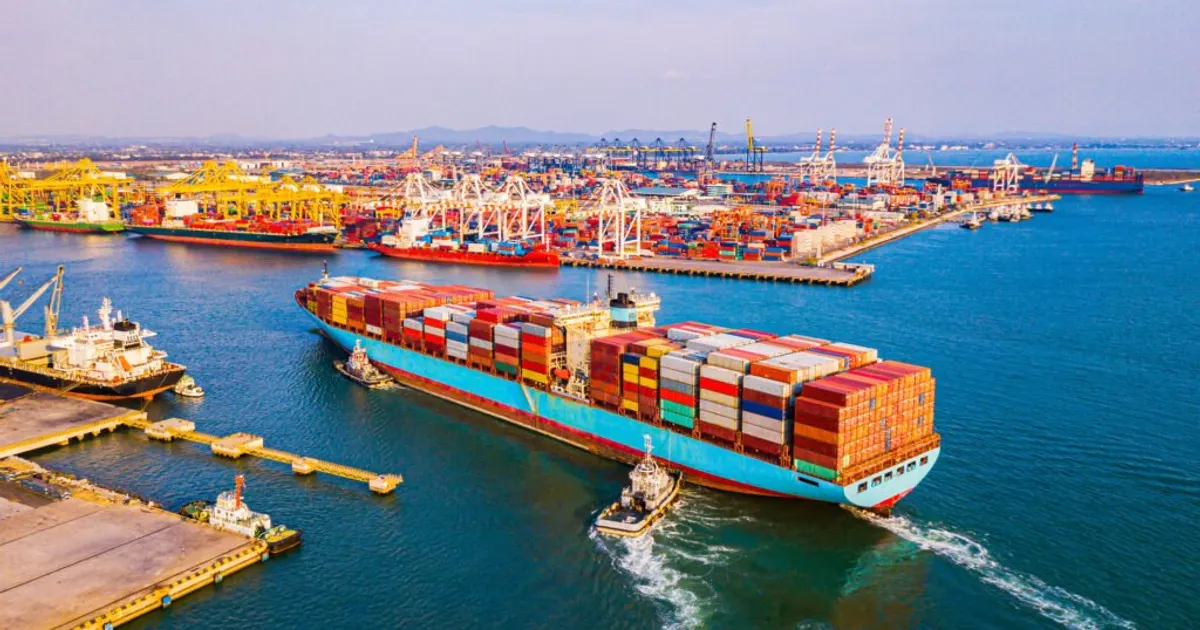
China reopened urea exports in June 2026 with a minimum price of about $660/t, then shifted by September to an annual export quota of roughly 3.3 million tonnes and lower FOB floors of about $430-440/t for most destinations and about $500/t for India.
Chinese export quotas and lower price floors add significant supply to the global urea market, pressuring international nitrogen prices lower.
 fertilizerdaily.comKim Clarksen02.06.2026
Nach 34 vergangenen Ereignisse (bearisch, Politik) bewegte sich Harnstoff im Median über 5 Handelstage um -0,8 % (38% höher; mittlere Hälfte -3,3 % bis +1,8 %) und über 20 Handelstage um -4,5 %.
Veränderungen des Benchmarks jedes Rohstoffs seit dem letzten Schluss vor dem Ereignis. Historische Werte bündeln frühere Ereignisse derselben Art; sie beschreiben, was passiert ist, nicht was passieren wird. Keine Anlageberatung.
China reopening urea exports with a quota of roughly 3.3 million tonnes and lower FOB floors adds expected global supply and pressures prices, though the policy dates are partly ambiguous relative to the window.
China's export policy details, including the quota and lower FOB floors, point to more supply at lower price levels, which is bearish.
Details of China's export policy and quota size/price floors shape the supply outlook and price expectations, though dated after the move.
