Lädt…
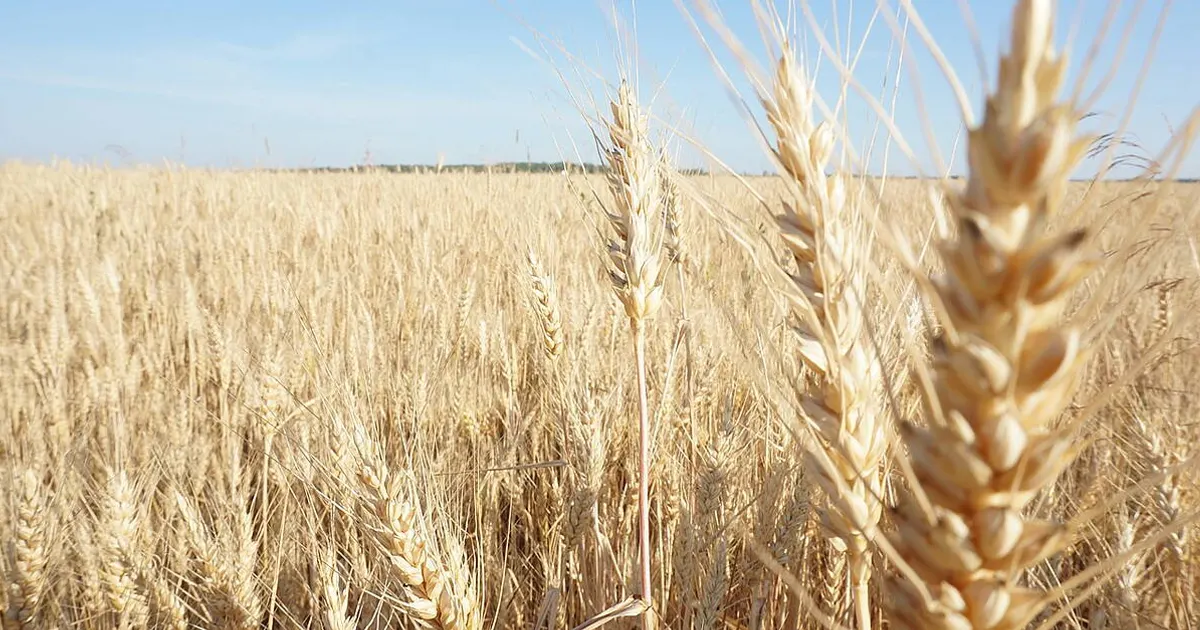
US and European wheat futures rose on July 10 to their highest since late May after escalating Russia-Ukraine hostilities. Russia temporarily stopped Don-Azov shipping after a Ukrainian attack on Russian vessels, and USDA cut its 2026/27 world wheat ending stocks forecast to 272.84 million tonnes.
USDA also projected the smallest US wheat crop in 56 years.
A lower USDA world stocks forecast and a shrinking US crop tighten supply, while Russian shipping interruptions add export risk. Both factors support wheat prices and modestly lift corn and soybeans.
 checkout.ieReuters14.07.2026
Nach 769 vergangenen Ereignisse (bullisch, Bericht) bewegte sich Weizen (SRW) im Median über 5 Handelstage um +0,2 % (53% höher; mittlere Hälfte -1,4 % bis +2,0 %) und über 20 Handelstage um +0,2 %.
Nach 180 vergangenen Ereignisse (bullisch, Bericht) bewegte sich Weizen (HRW) im Median über 5 Handelstage um +0,4 % (53% höher; mittlere Hälfte -2,1 % bis +3,7 %) und über 20 Handelstage um -0,6 %.
Nach 1.040 vergangenen Ereignisse (bullisch, Bericht) bewegte sich Mais im Median über 5 Handelstage um +0,5 % (62% höher; mittlere Hälfte -0,9 % bis +2,0 %) und über 20 Handelstage um +0,8 %.
Nach 747 vergangenen Ereignisse (bullisch, Bericht) bewegte sich Sojabohnen im Median über 5 Handelstage um +0,3 % (54% höher; mittlere Hälfte -1,4 % bis +2,1 %) und über 20 Handelstage um +0,8 %.
Veränderungen des Benchmarks jedes Rohstoffs seit dem letzten Schluss vor dem Ereignis. Historische Werte bündeln frühere Ereignisse derselben Art; sie beschreiben, was passiert ist, nicht was passieren wird. Keine Anlageberatung.
Wheat rose to its highest since late May on Russia-Ukraine shipping risk plus a USDA cut to world stocks and the smallest US crop in 56 years, covering both supply and trade-flow drivers.
It reports the rally to multi-week highs on the Azov shipping halt and USDA stock cuts, which set up the momentum, but it covers July 10 rather than the move day.
